Roma culture
A culture that travelled the great road
Over the centuries, the Roma carried with them a language, trades, music and their own way of seeing the world. Getting to know this culture is the first step towards understanding the people who carry it on.
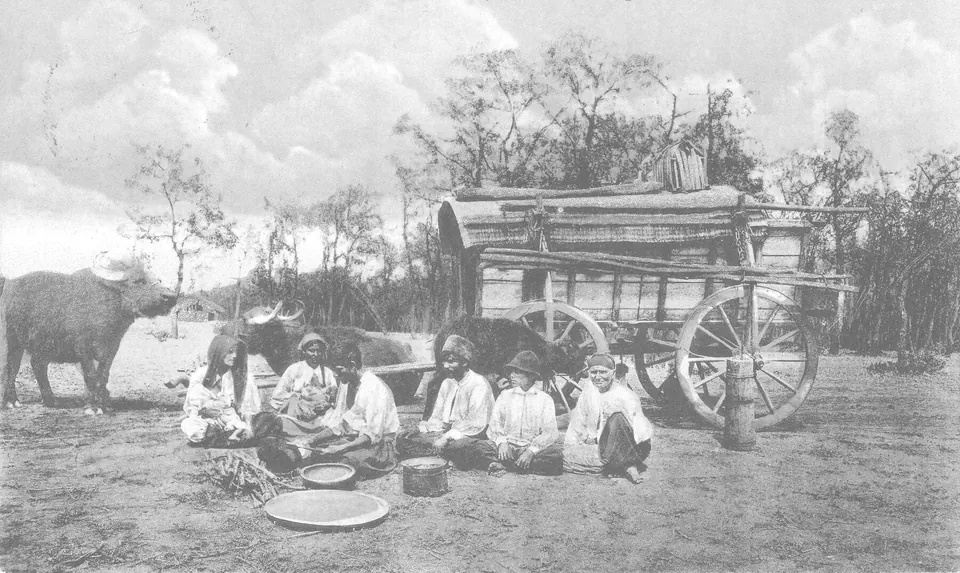
Why we talk about culture
Inclusion does not mean that Roma people should give up who they are. It means having the same opportunities as anyone else, without hiding their name, language or traditions. A healthy society does not ask people to erase themselves in order to be accepted.
At the same time, much prejudice comes from simply not knowing. Few people realise that a good part of the music Romanians call “folk” or “party music” was played and enriched by Roma lăutari. Just as few know that the coffee pot, the cooking pot or the wooden spoon in their grandparents’ home was very likely made by a Roma craftsman. Roma culture is part of Romania’s heritage, even if it has not always been recognised as such.
On the pages below we have gathered, briefly, three chapters of this story.
-
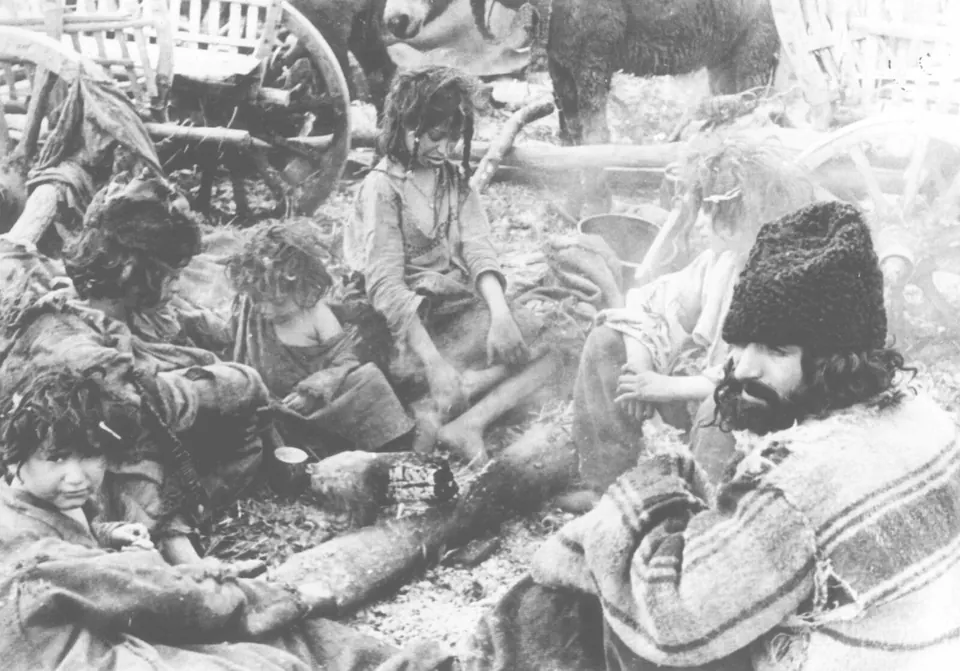
The history of the Roma in Romania
Almost five centuries of slavery, abolished only in 1856. Deportation and death during the Second World War. Forced assimilation under communism and a transition in which the poorest were left behind. A history without which the present cannot be understood.
Read -
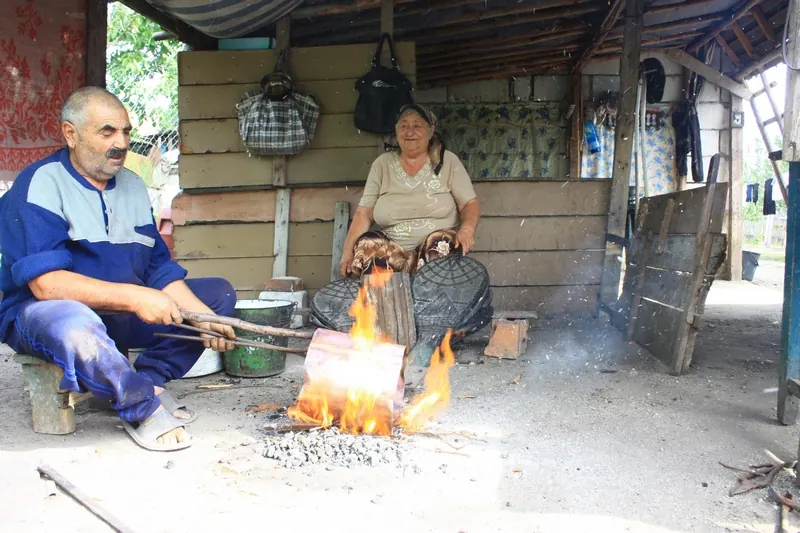
The crafts
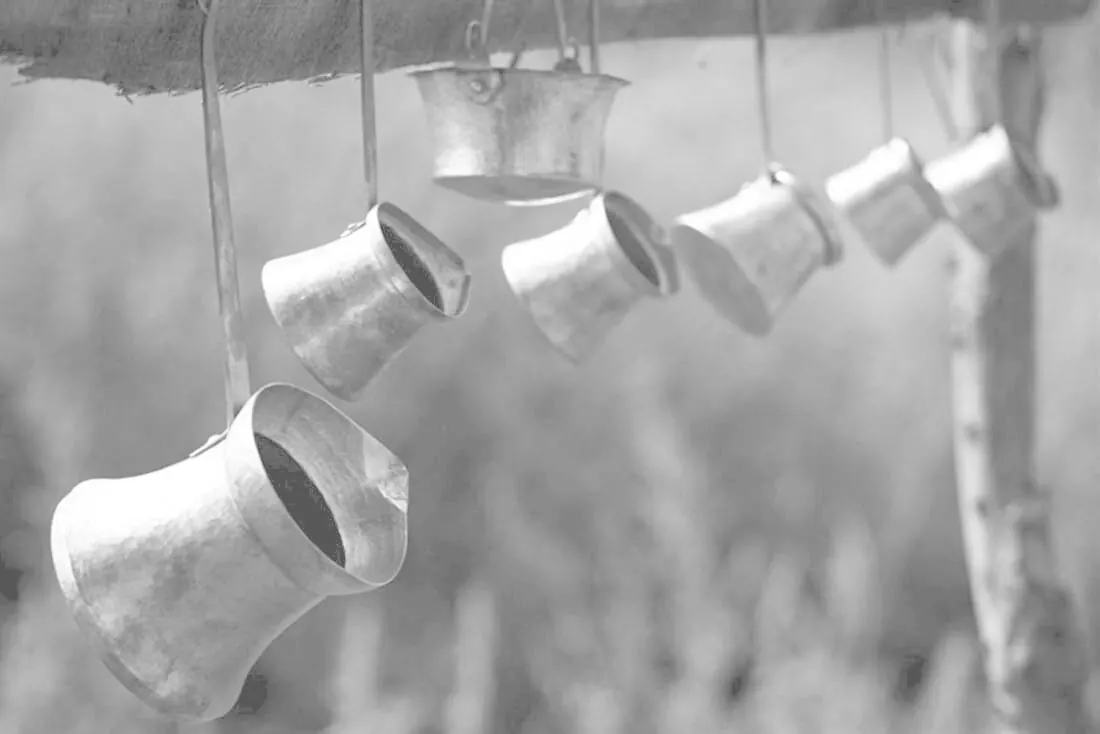
Farriers without whom villages could not work the land, spoon makers, jewellers, flower sellers and coppersmiths who made the stills for plum brandy. Trades learned within the family and perfected over generations.
Discover -
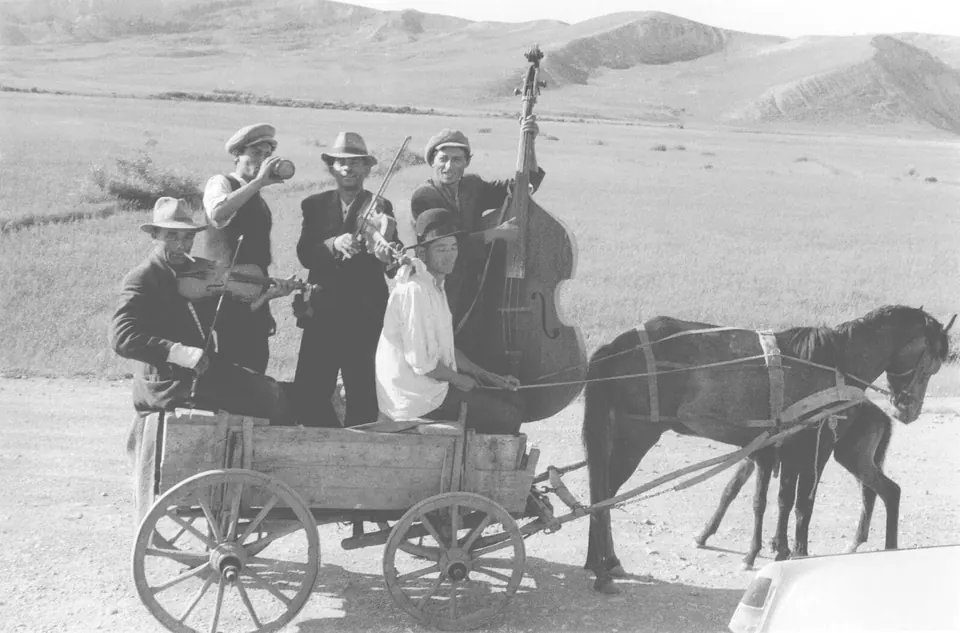
Music and the lăutari
Musicians who learned to play without sheet music, from their parents, and went on to the world’s great stages. Music is perhaps the strongest sign of Roma identity.
Listen
A few things you may not know
- The Romani language belongs to the Indo-Aryan family and is related to languages spoken today in northern India. Drom means “road” and baro means “great”.
- The Roma flag, blue and green with a red wheel in the middle, was adopted in 1971 at the First World Romani Congress.
- 8 April is International Roma Day, in memory of that congress.
- 2 August is the day Europe commemorates the Roma victims of the Holocaust.
- Many Roma groups in Romania are named after their traditional trade: coppersmiths (căldărari), spoon makers (lingurari), bear trainers (ursari), musicians (lăutari), blacksmiths (fierari).