A trade as part of growing up
In Roma families, a trade was not learned at school but at home. Children sat next to their parents, grandparents or uncles, watched, helped and, in time, took over the tools. From an early age they were told that a person needs a family and a trade to support it. Because many had no access to school, a trade was the most valuable inheritance they could leave their children.
That is how truly skilled craftsmen were formed, who in their fields had practically no competition. Each group had its own speciality, and many of the names by which Roma groups are known today come from these very trades.
Farriers and blacksmiths
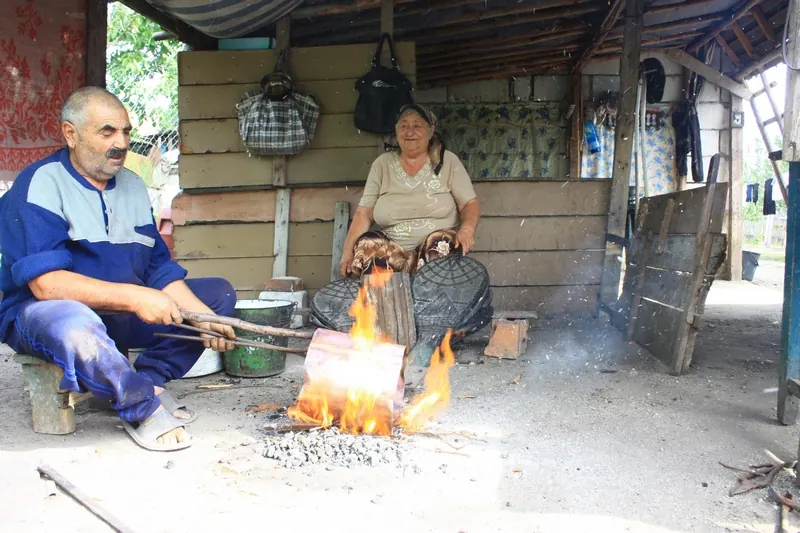
For centuries, no village could work the land without animals, and animals could not work without horseshoes. Roma farriers and blacksmiths were therefore indispensable in every community. They also repaired farm tools and made chains, nails and hinges.
Spoon makers
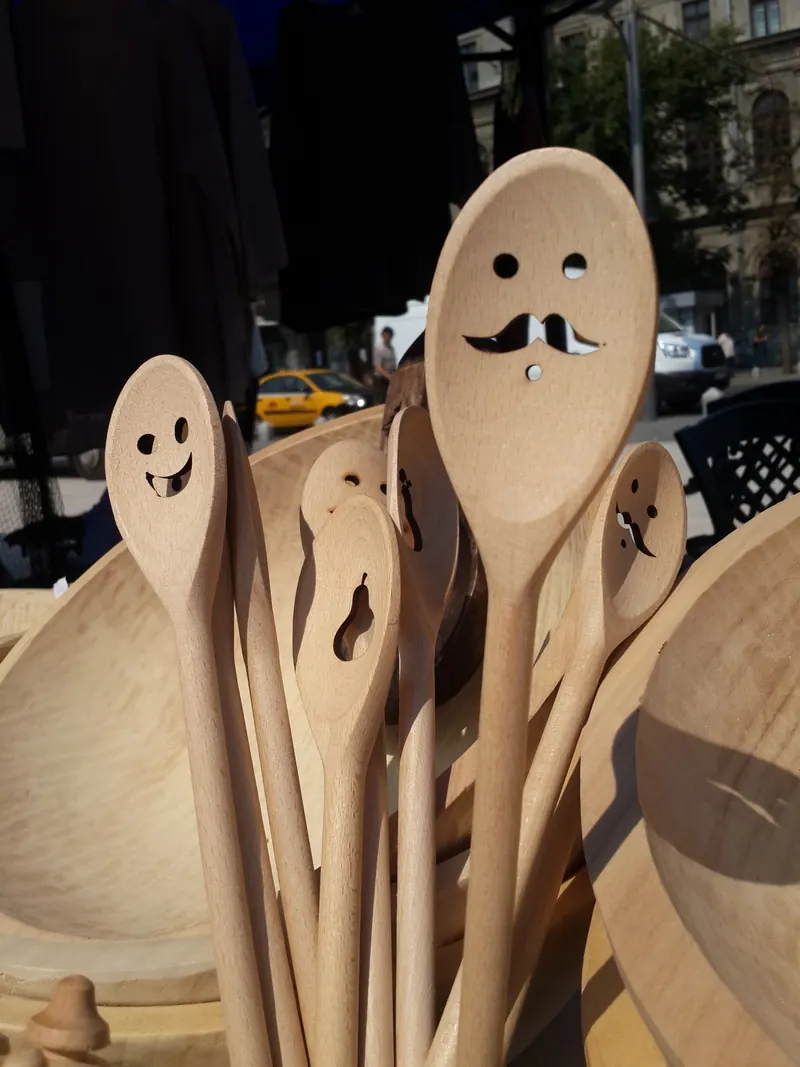
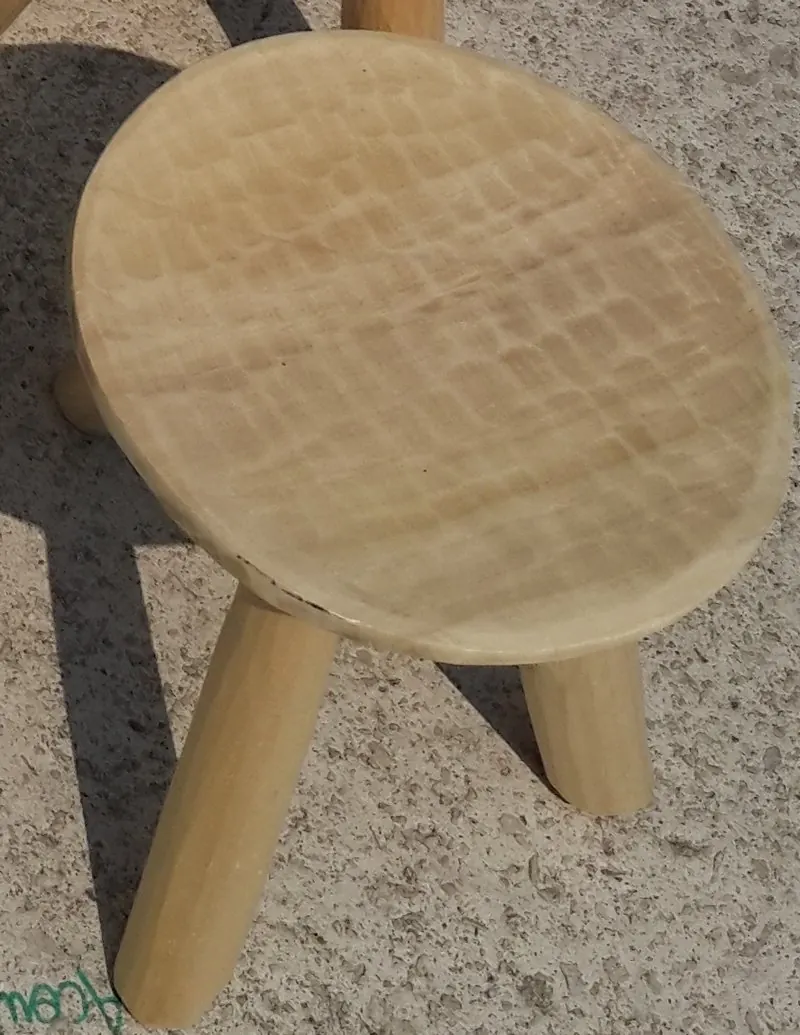
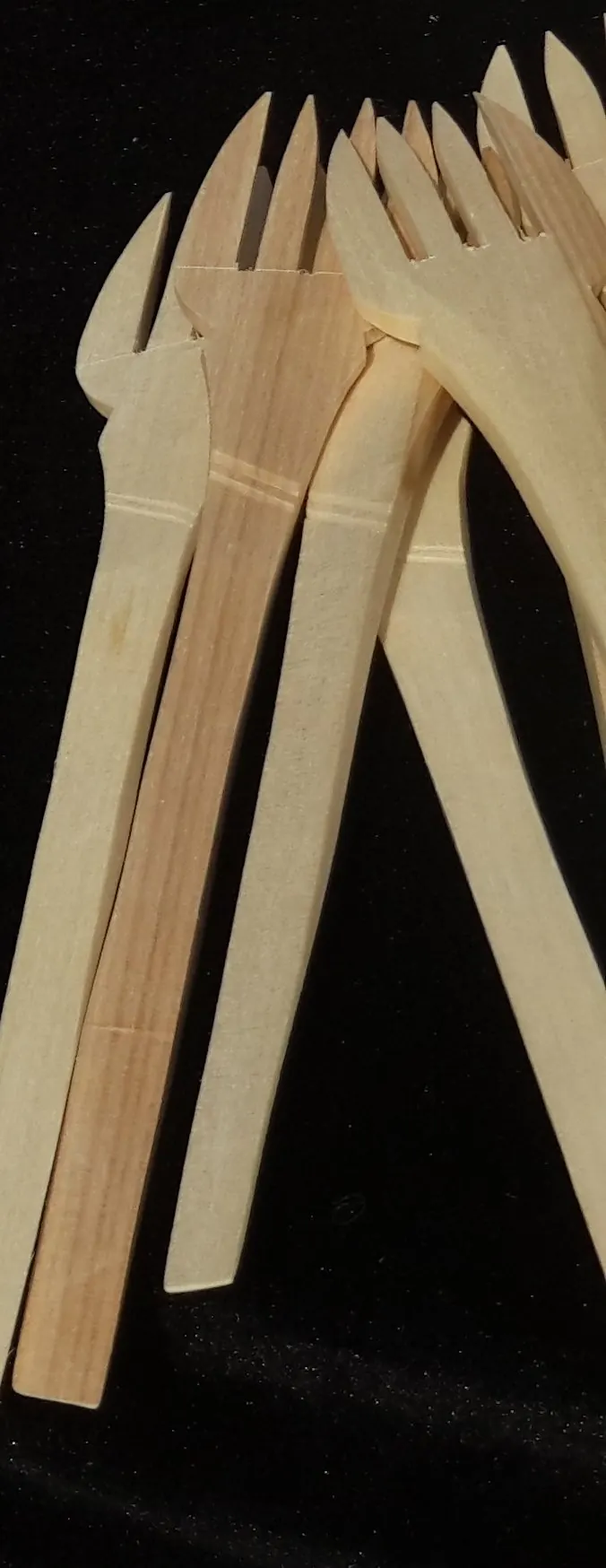
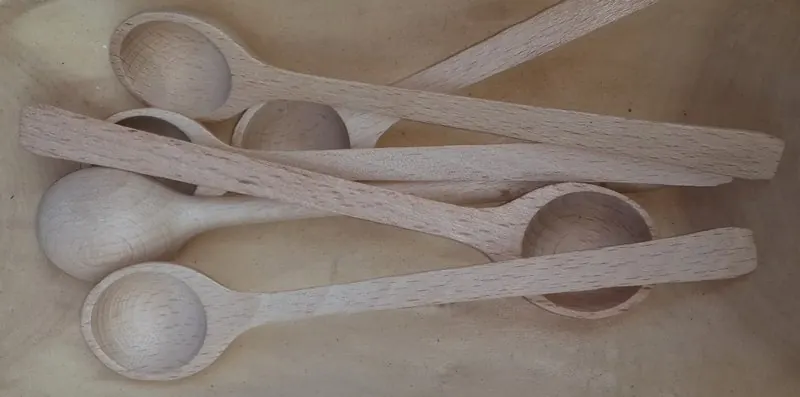
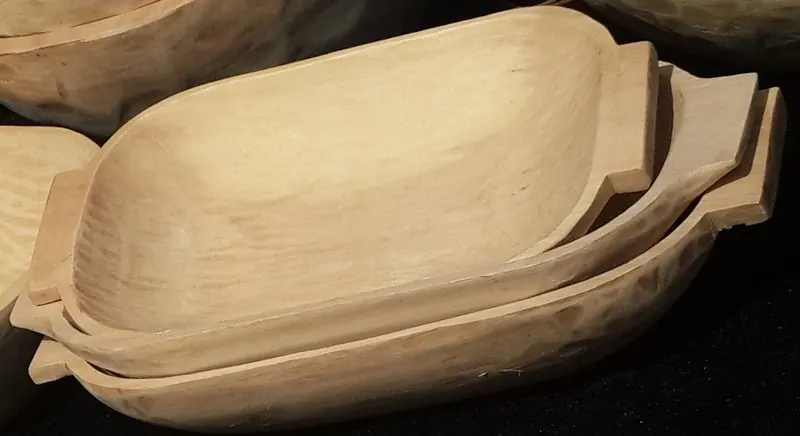
Spoon makers work wood with rare skill. From pieces of beech, lime or willow they carve spoons, ladles, forks, bowls, troughs, small stools and all kinds of utensils for the kitchen and the household. Some objects are simple and practical, others have small playful details, like spoons with carved faces.
Flower sellers
The Roma love flowers and nature. Flower sellers brought colour to the markets and streets of Romanian cities, selling flowers to everyone who appreciated their beauty. The figure of the flower seller became part of Romanian urban culture, and one of the best-known lăutar songs, “Florăresele” (The Flower Sellers), sung by Romica Puceanu, is dedicated to them.
Jewellers
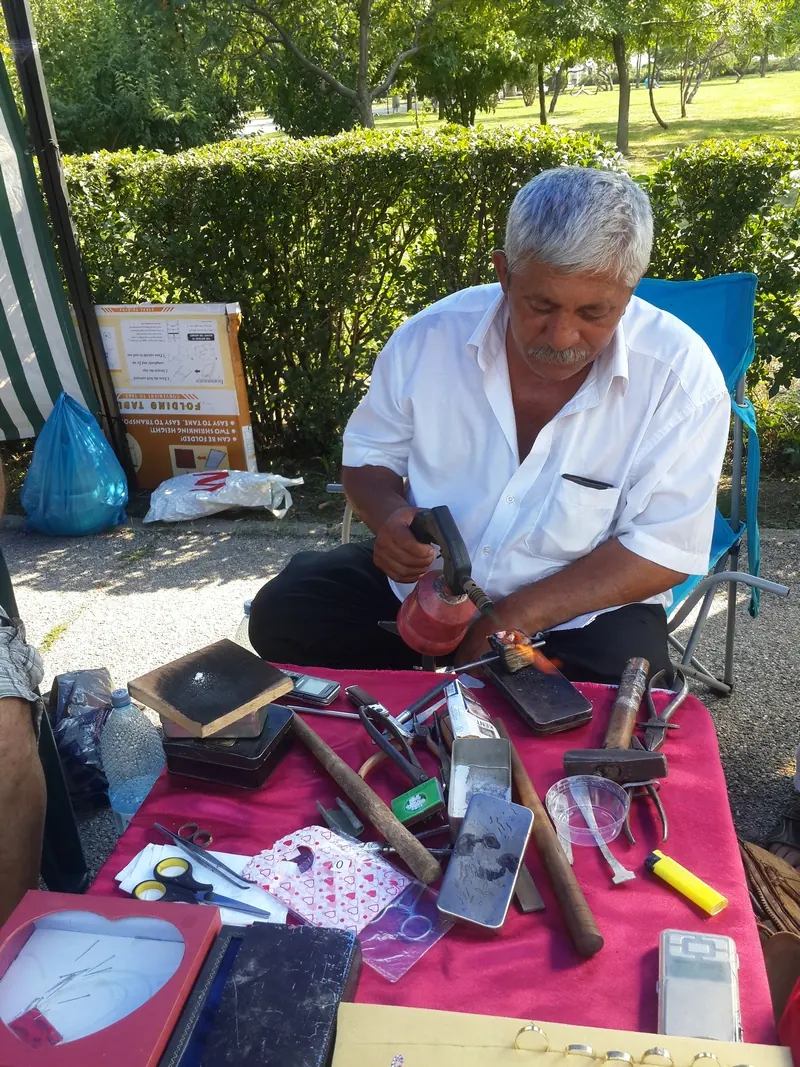
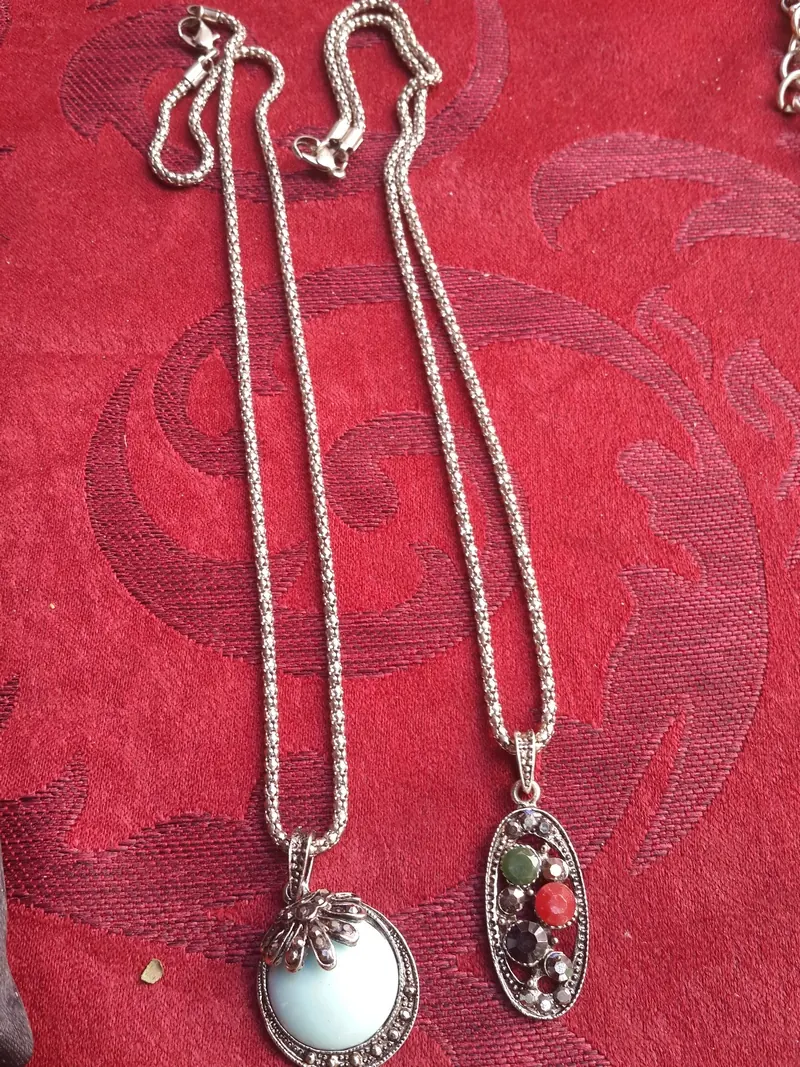
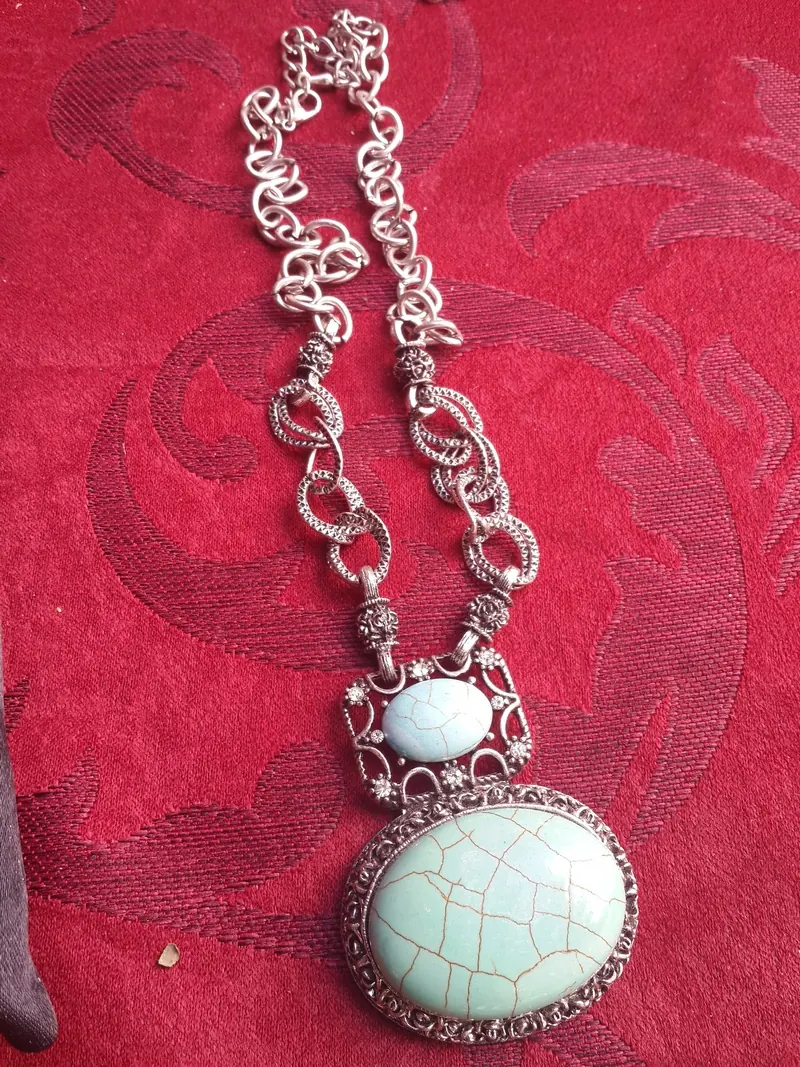
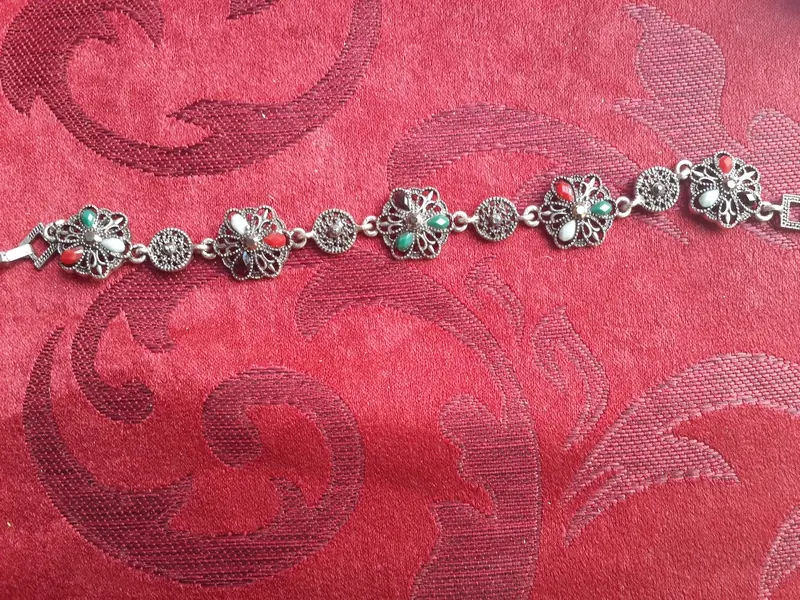
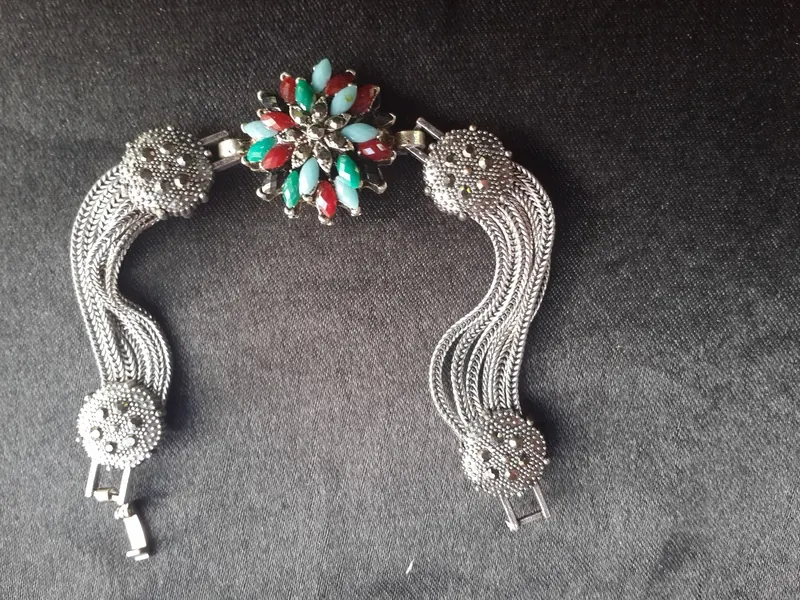
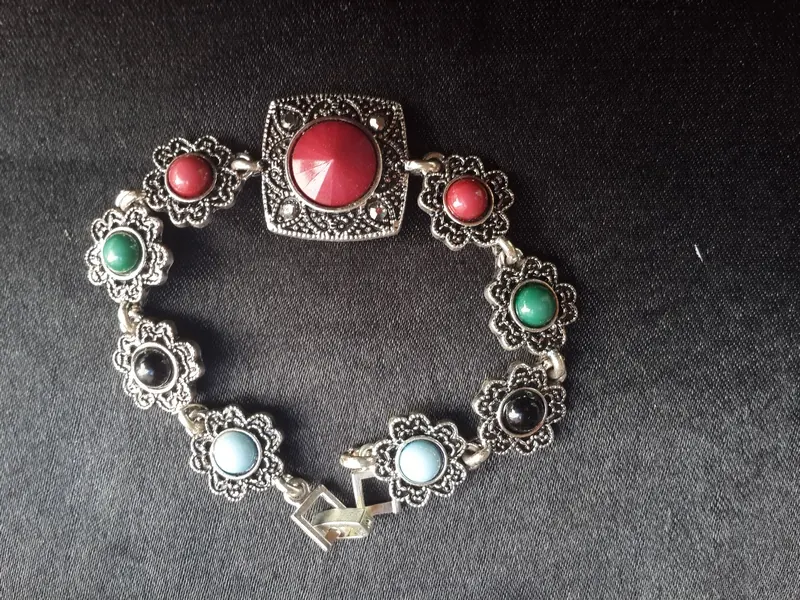
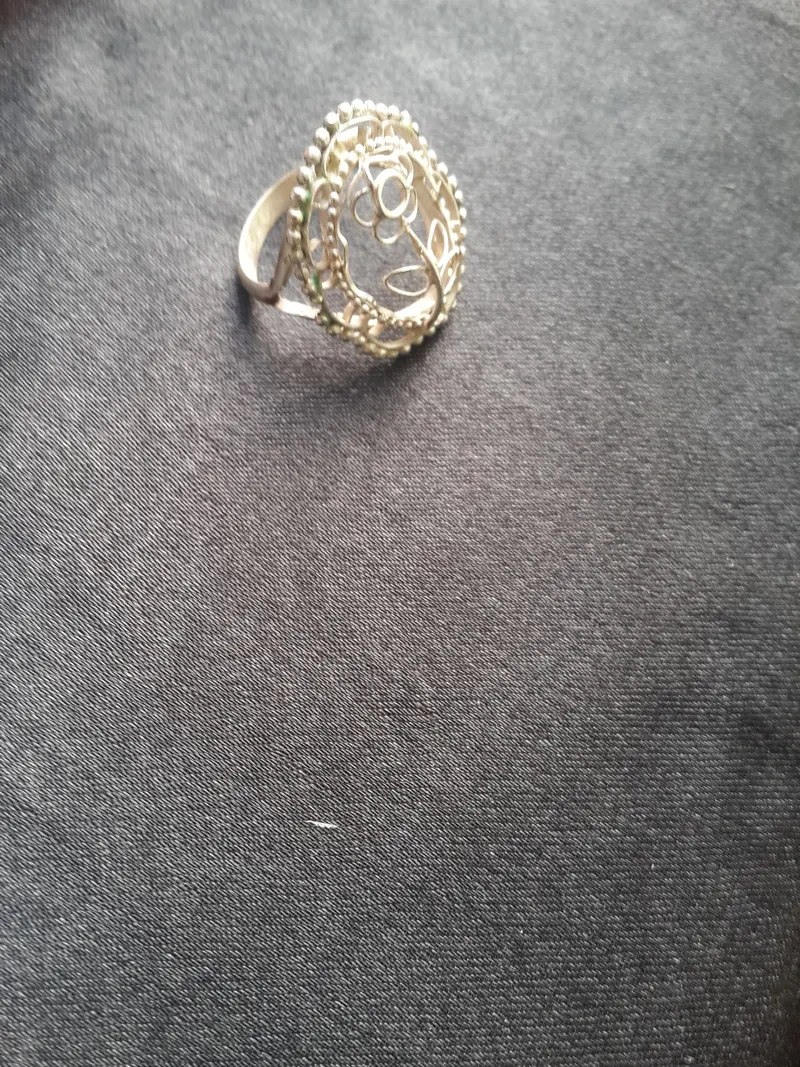
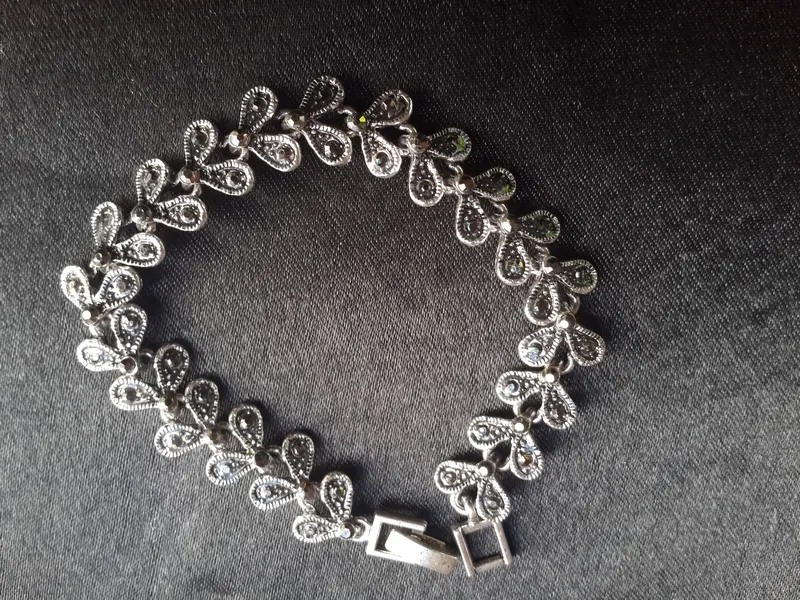
Roma jewellers created spectacular accessories in silver and gold: necklaces, bracelets set with colourful stones, rings and filigree earrings. Their techniques were passed down within the family, and many designs bear the mark of an unmistakable style, rich and luminous.
Coppersmiths
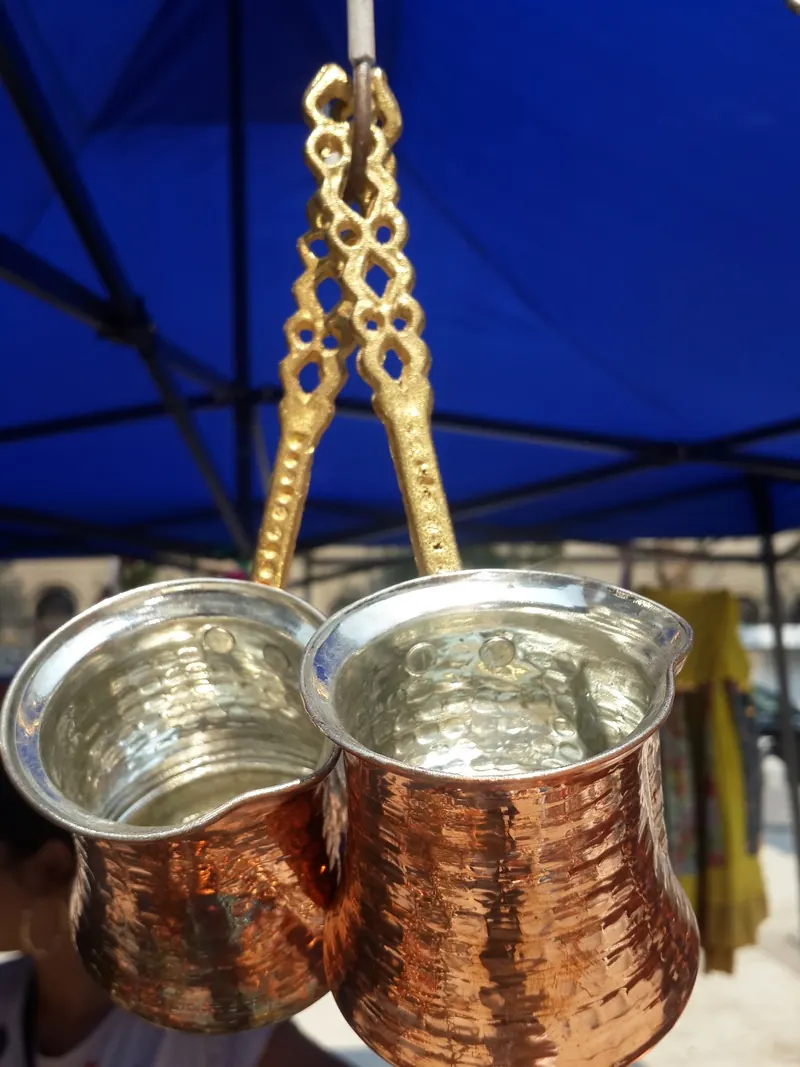
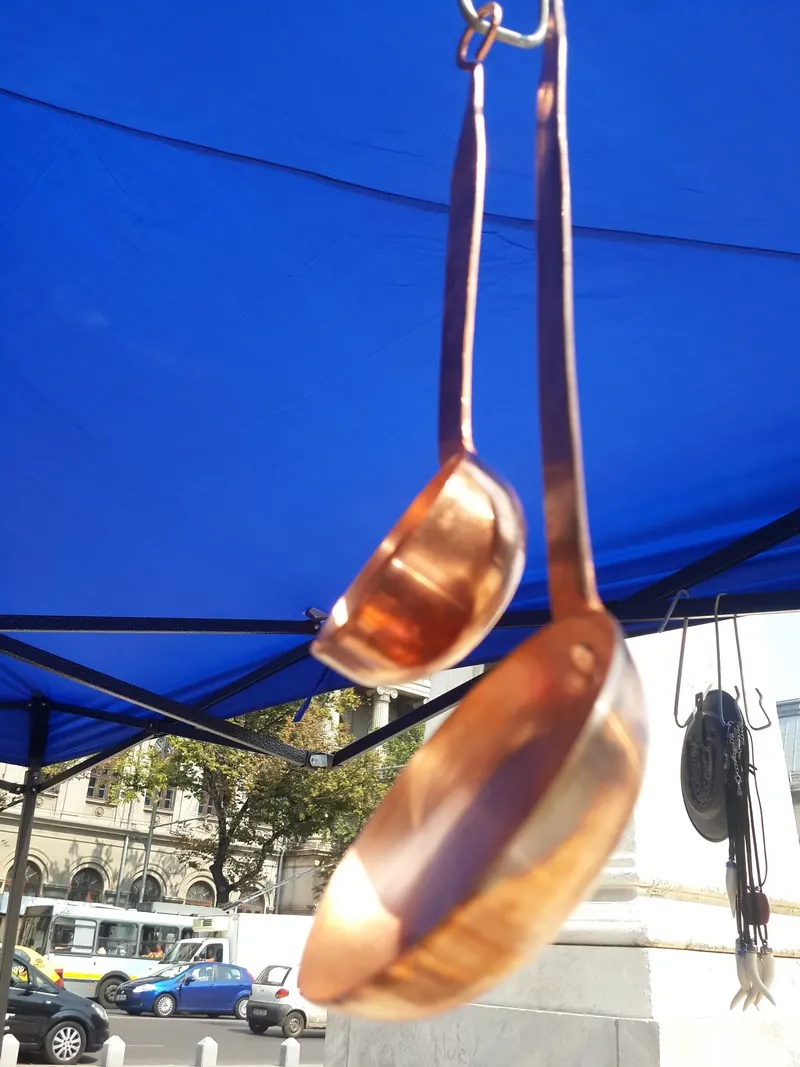
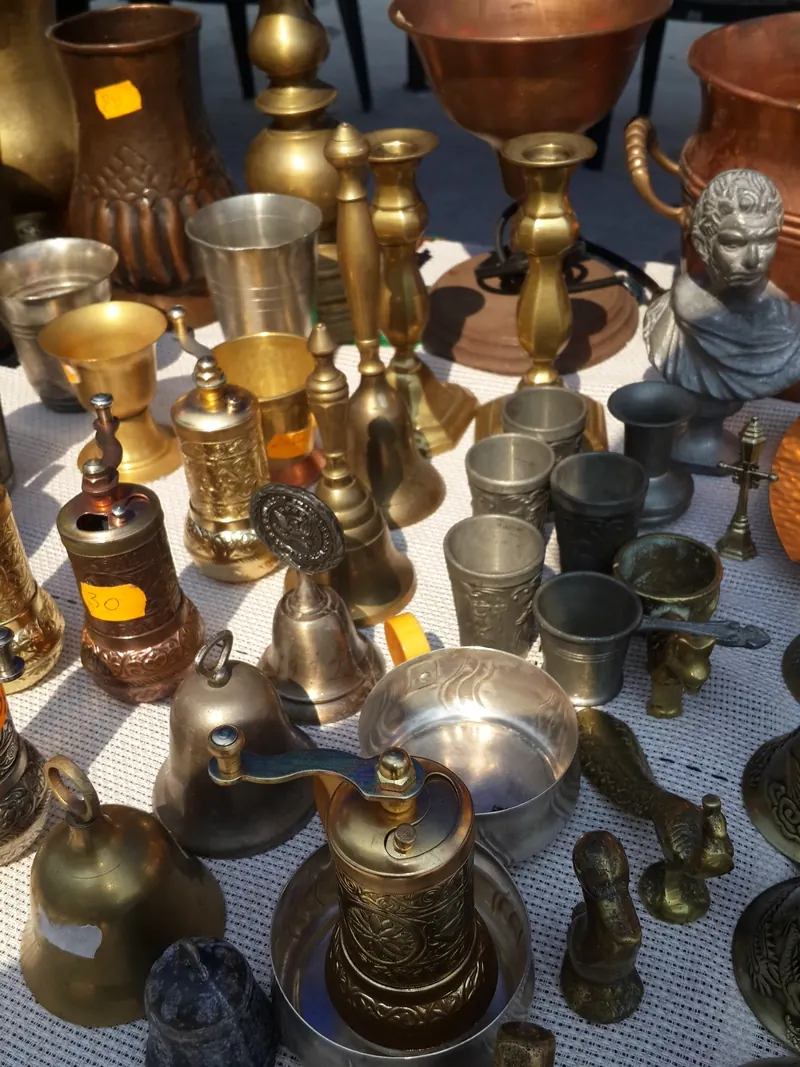
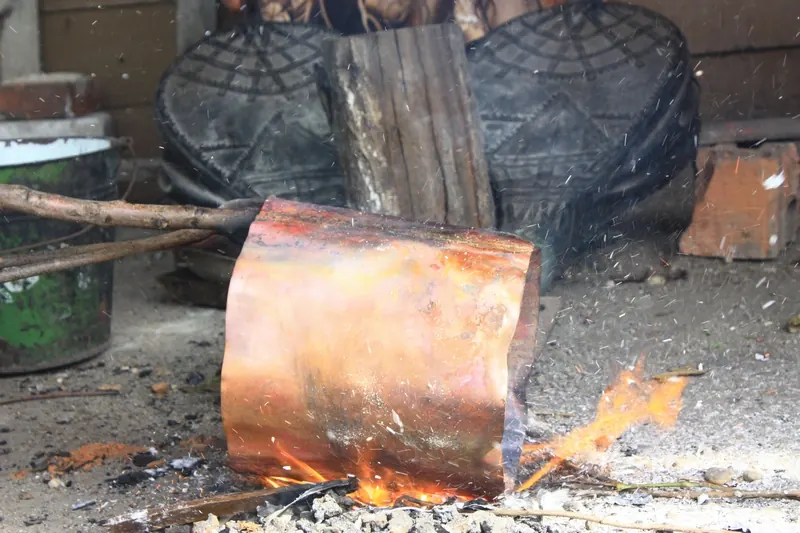
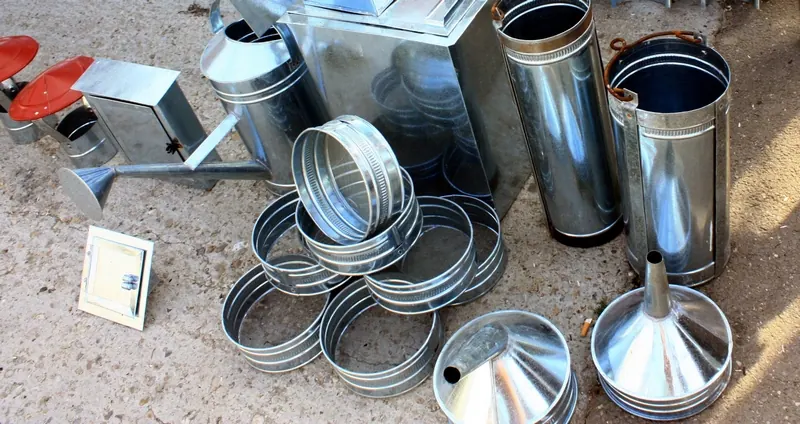
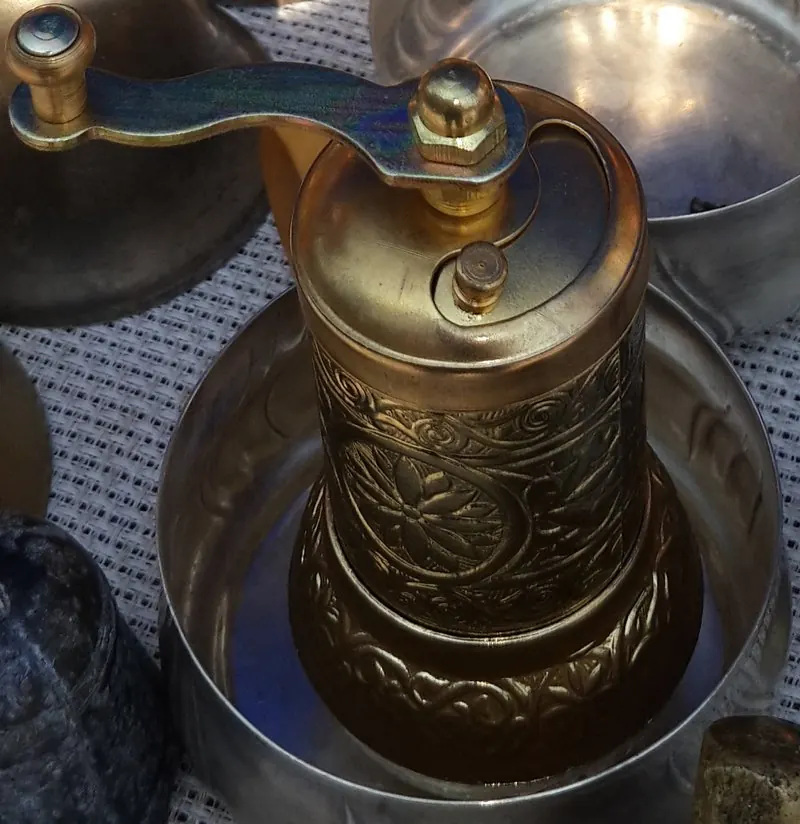
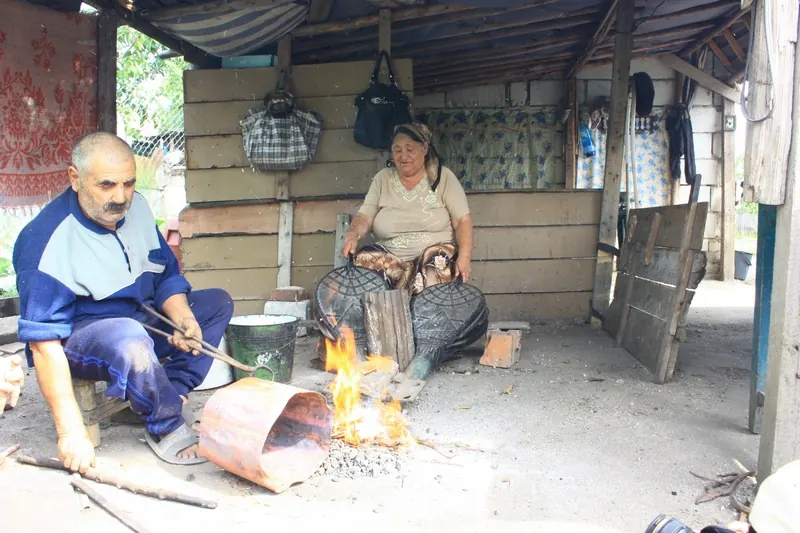
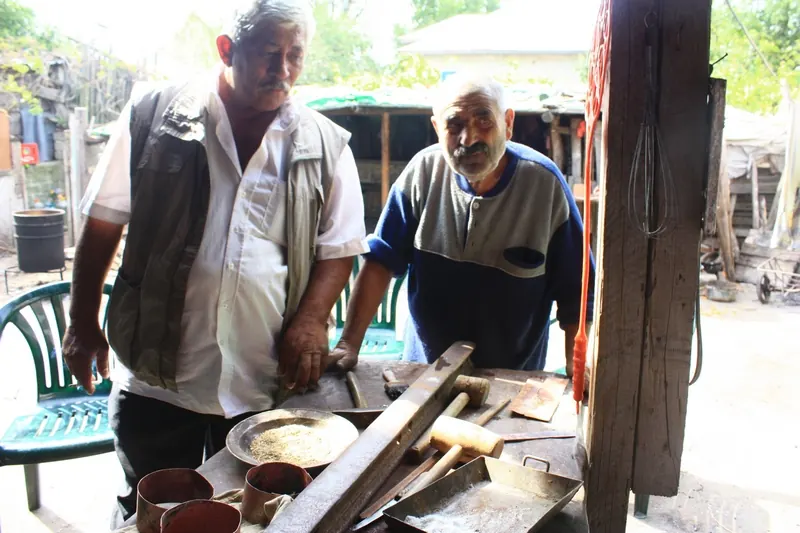
The căldărari are the masters of copper. They heat metal sheets over the fire, then hammer them into coffee pots, trays, pots, pails and cauldrons. For generations, a great deal of Romania’s plum brandy (țuică) was distilled in stills made by Roma coppersmiths. Alongside them, tinsmiths work sheet metal into drainpipes, buckets, funnels and chimney pipes.
Crafts today
Technology and industrial production have replaced most of these objects. The craftsmen’s businesses have shrunk dramatically, and their products are now sold more as works of art or souvenirs than as everyday tools. Fewer and fewer young people learn these trades.
Still, we believe crafts have a future. Handmade objects are valued again, and fairs, festivals and cultural tourism can bring craftsmen a new audience. That is why we brought Roma craftsmen to Balkanik Festival 2016 and 2017, where they worked live in front of hundreds of people.
Gallery
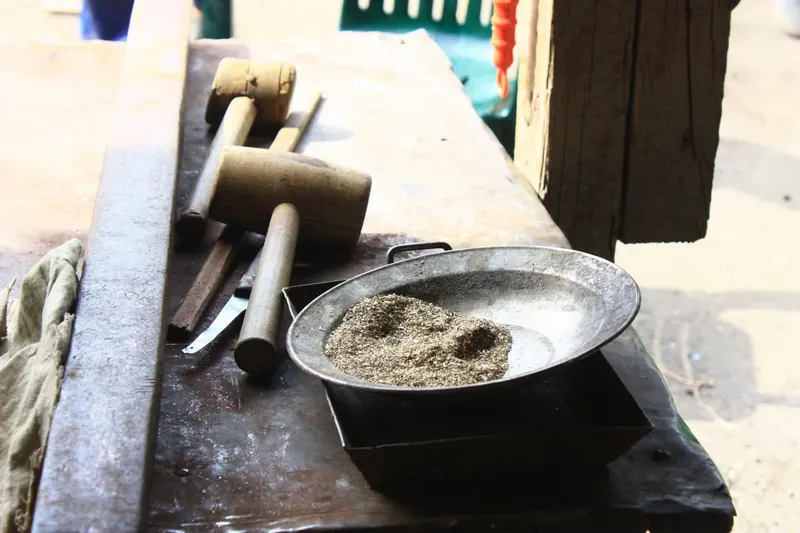
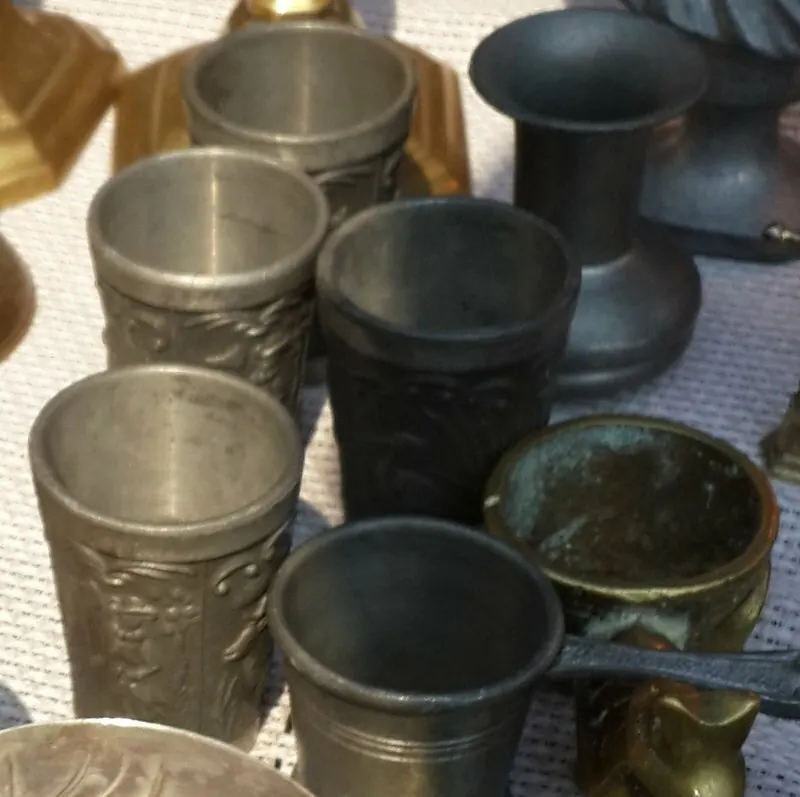
Objects and craftsmen photographed over the years: copper, silver, wood and tin.