About the festival
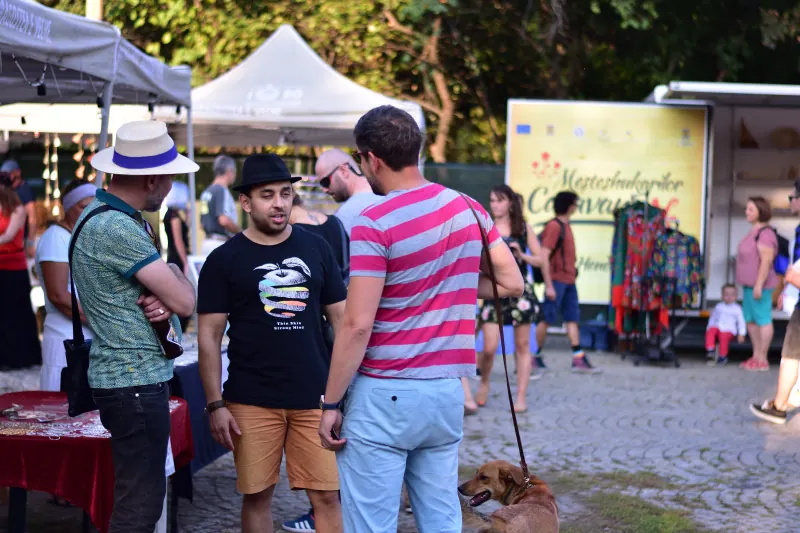
Balkanik Festival is one of the best-known events in Bucharest dedicated to the music and culture of the Balkans. Over several days, concerts, dance, crafts and traditional food bring together thousands of people of all ages and backgrounds.
For us, the festival is the ideal place to show a different side of the Roma community than the one in the news headlines: skilled, hard-working people who are proud of their trade.
“Atelier cu meșteri bestoinici”
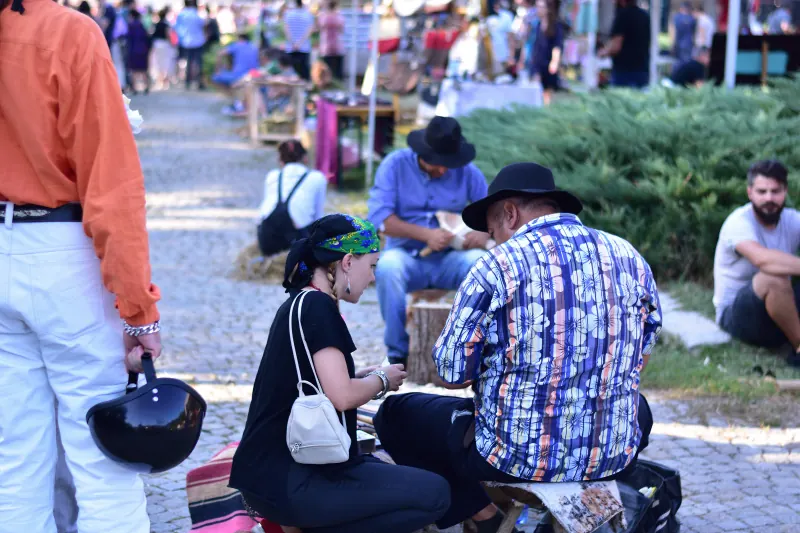
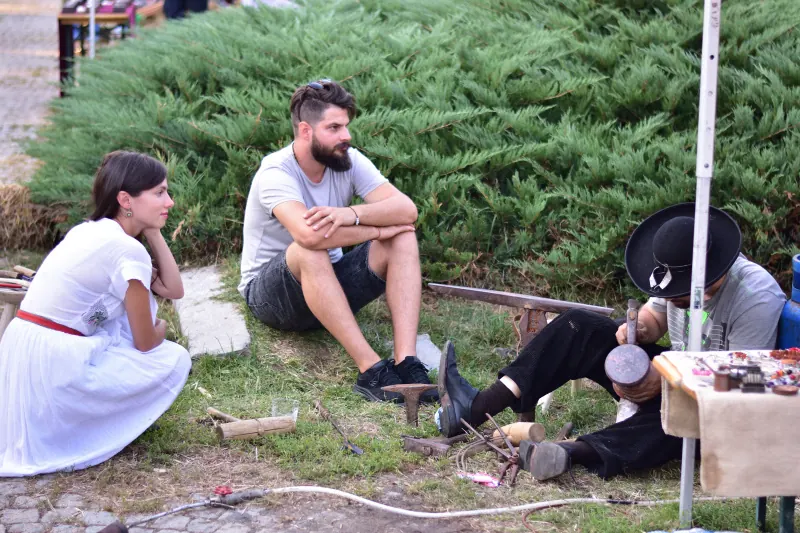
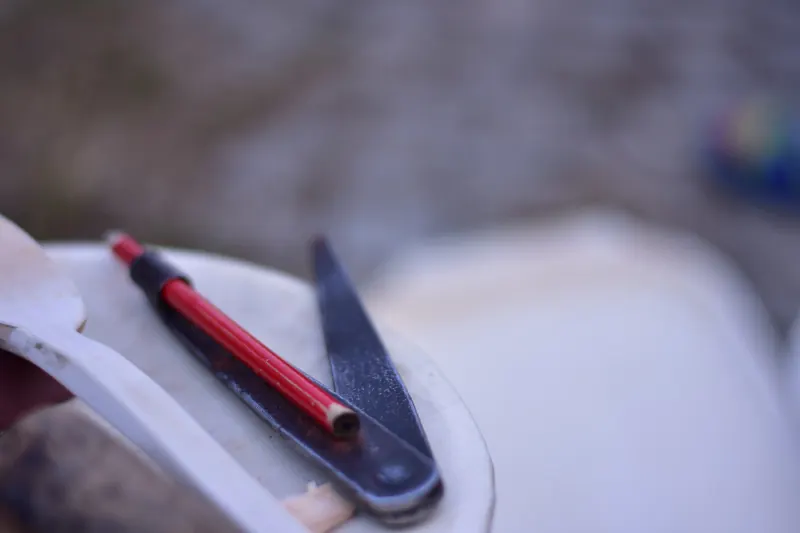
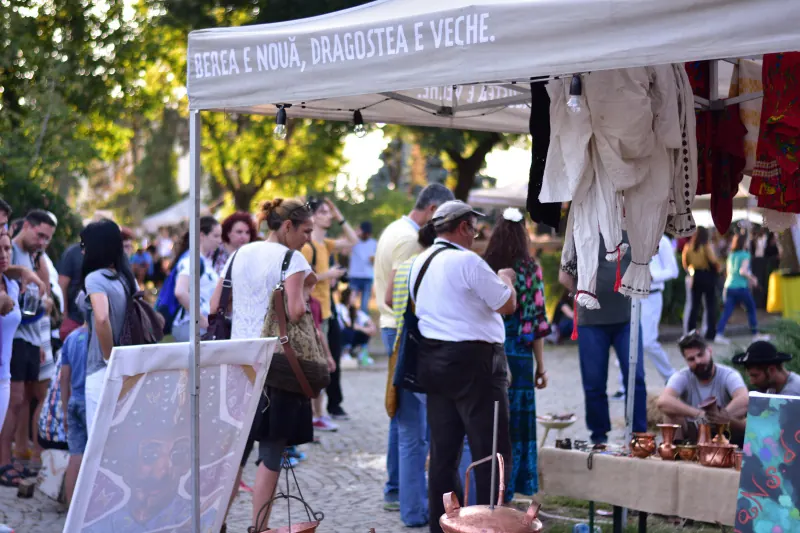
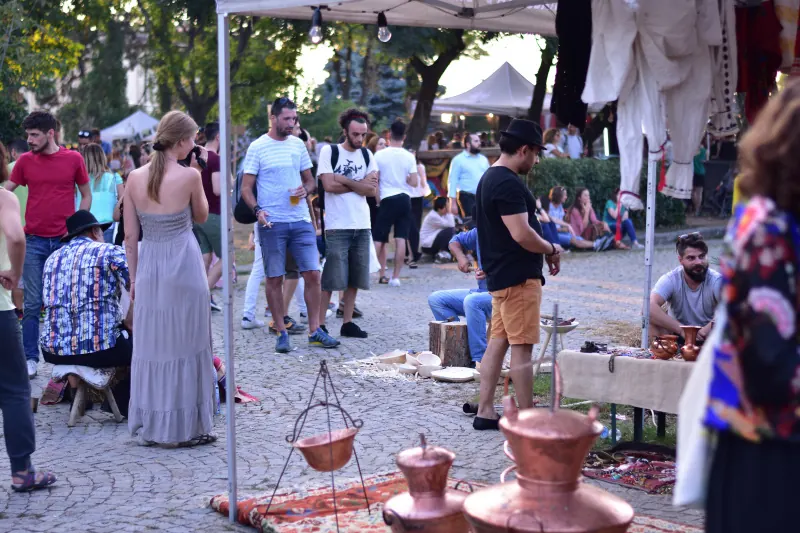
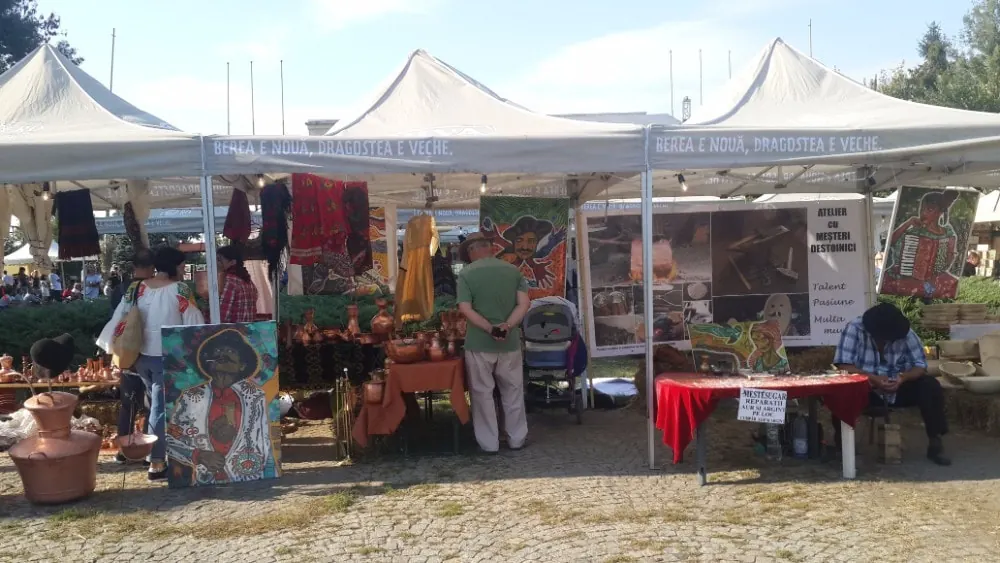
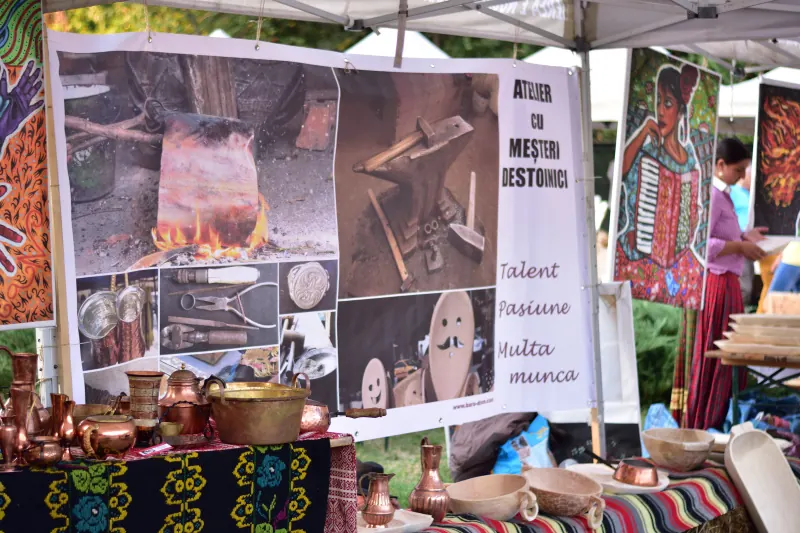
As in the previous year, our space at the festival was called “Atelier cu meșteri bestoinici” (a workshop of master craftsmen) and carried a simple motto: talent, passion, lots of hard work. It was not an exhibition of objects neatly laid out on a table, but a real workshop, where craftsmen worked from morning until evening.
What visitors saw
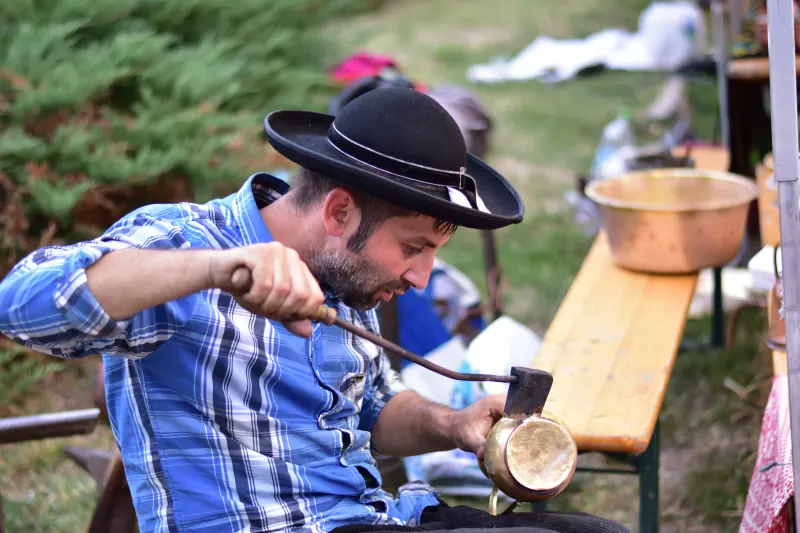
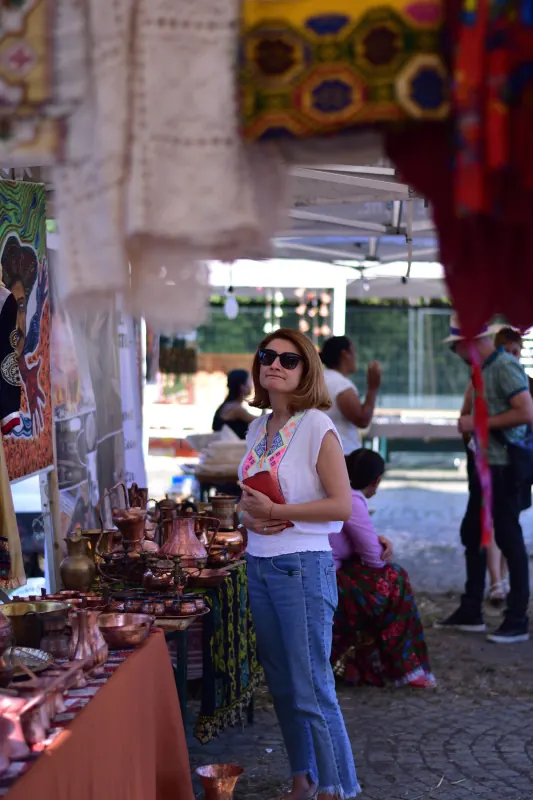
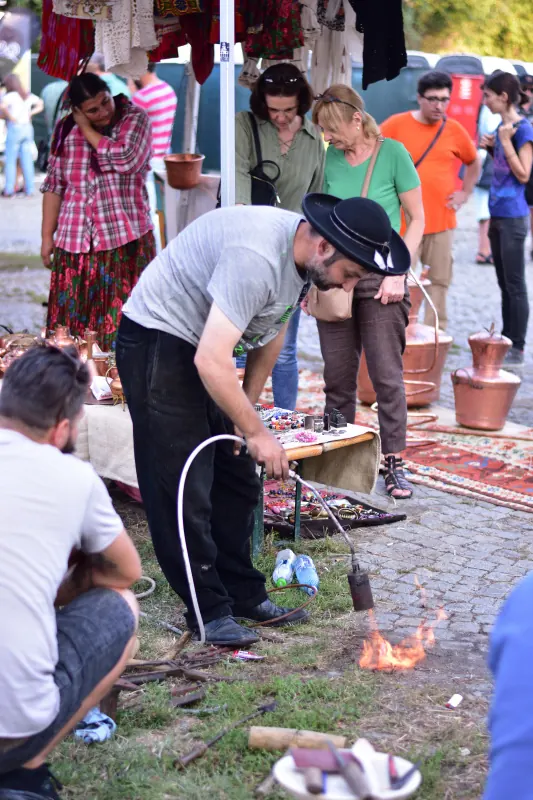
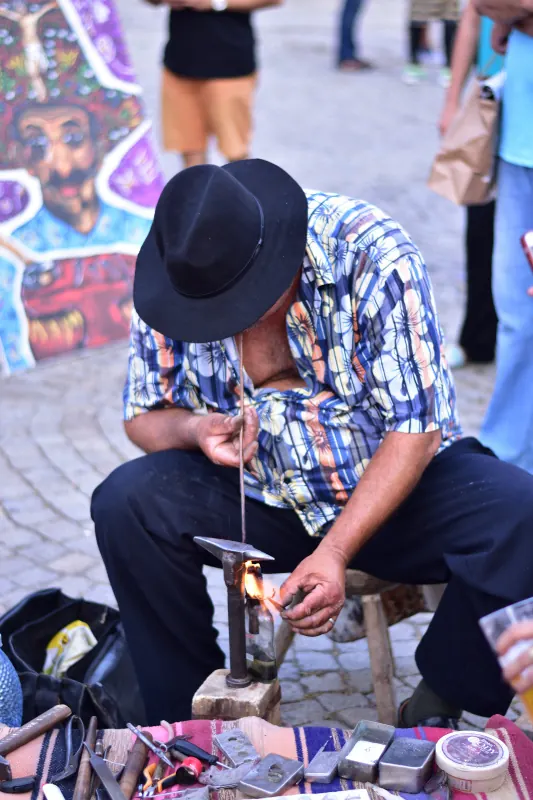
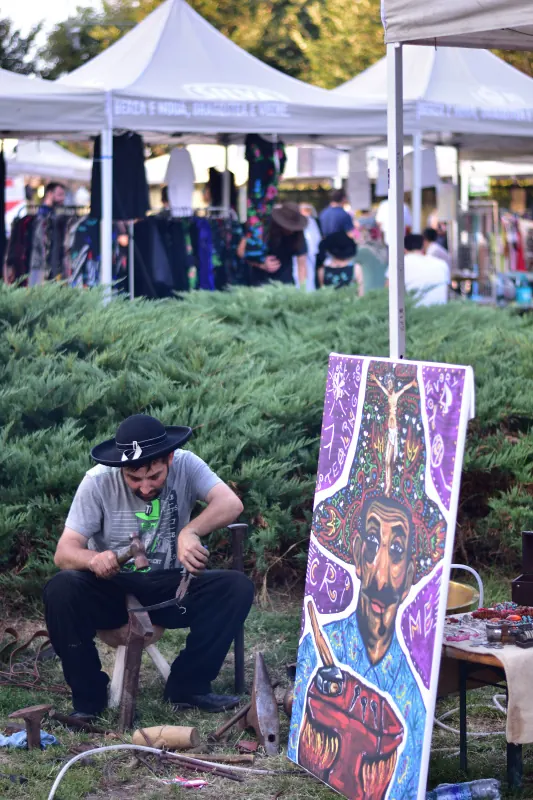
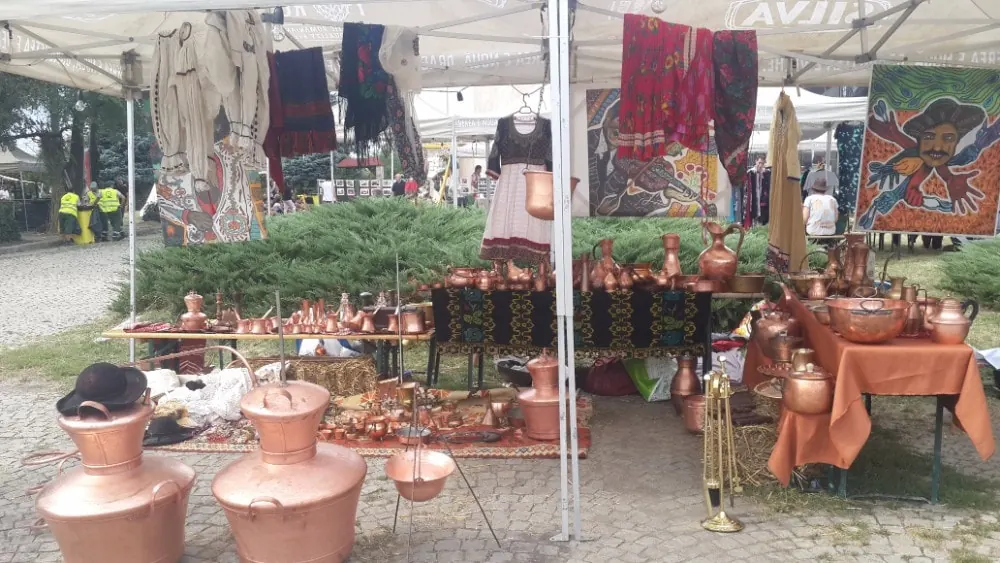
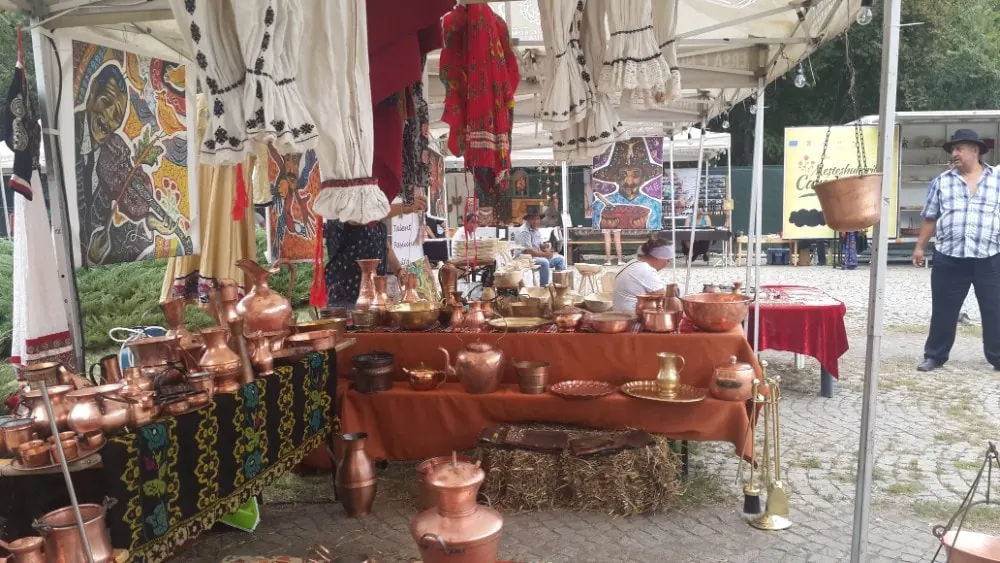
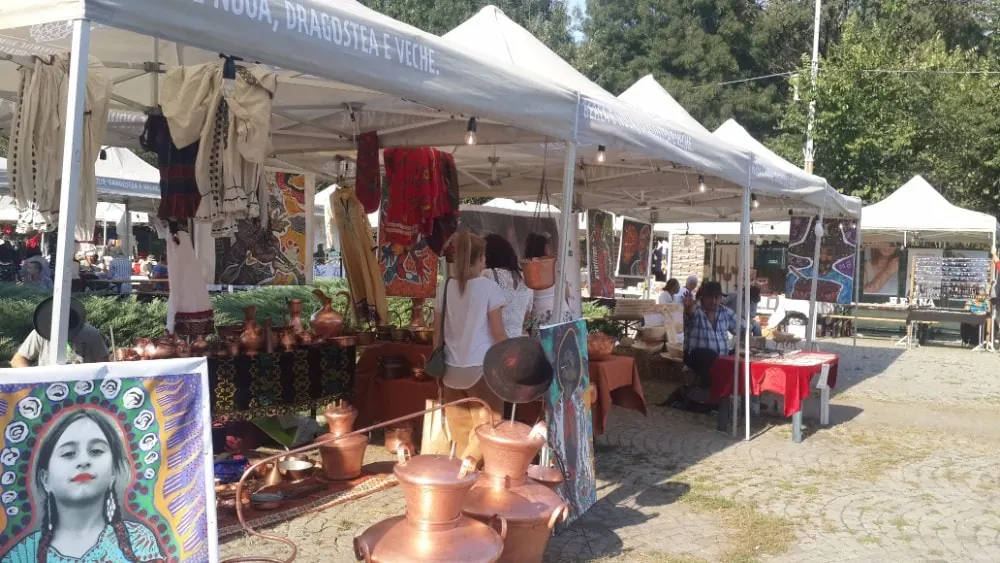
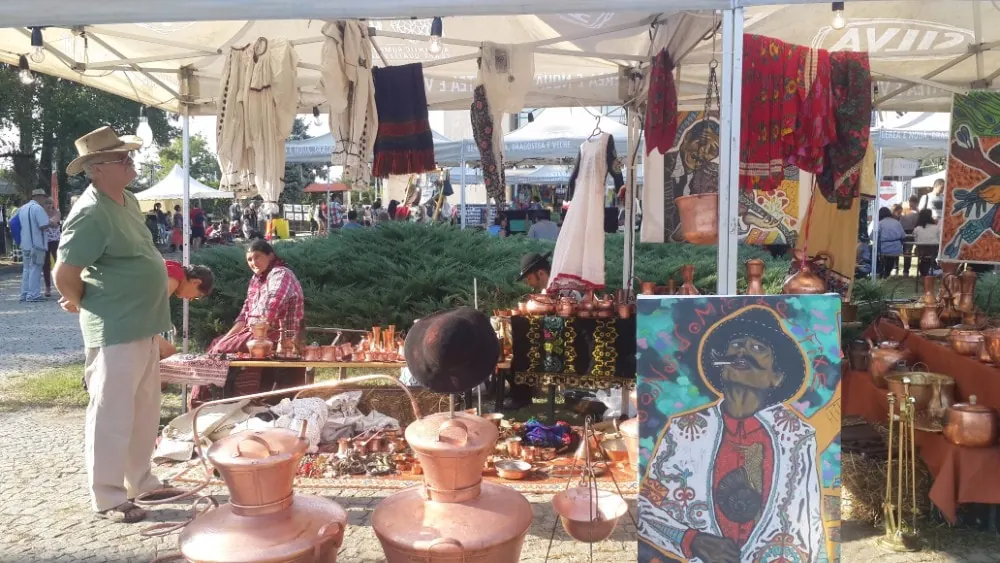
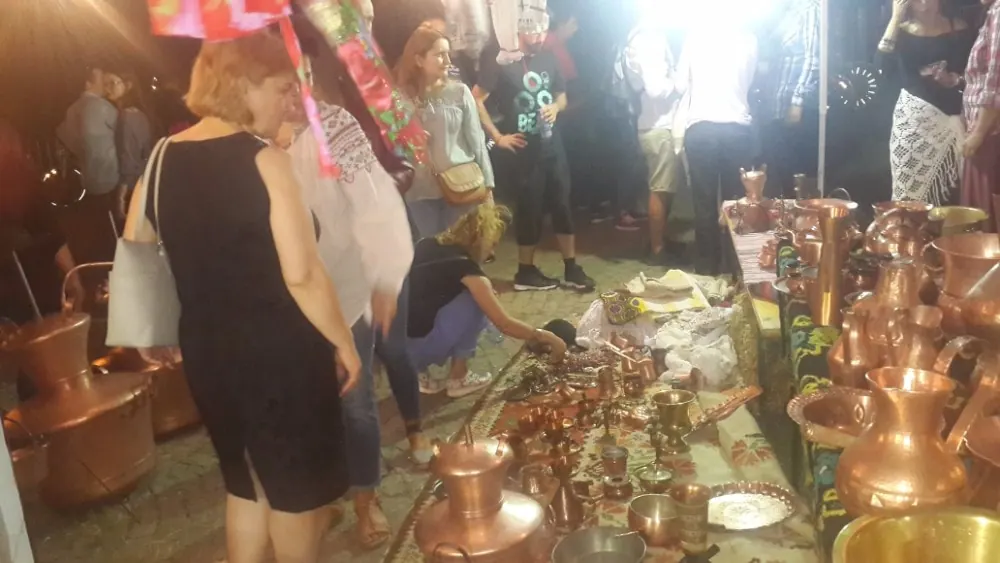
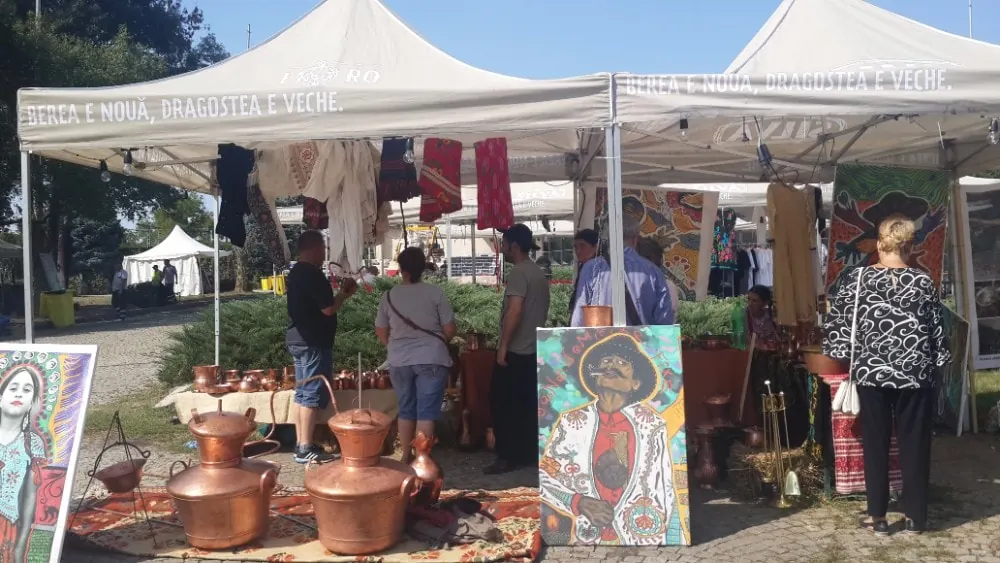
- Coppersmiths worked copper in the open: coffee pots, trays, cauldrons and vessels polished until they shone, made with a hammer and a great deal of patience.
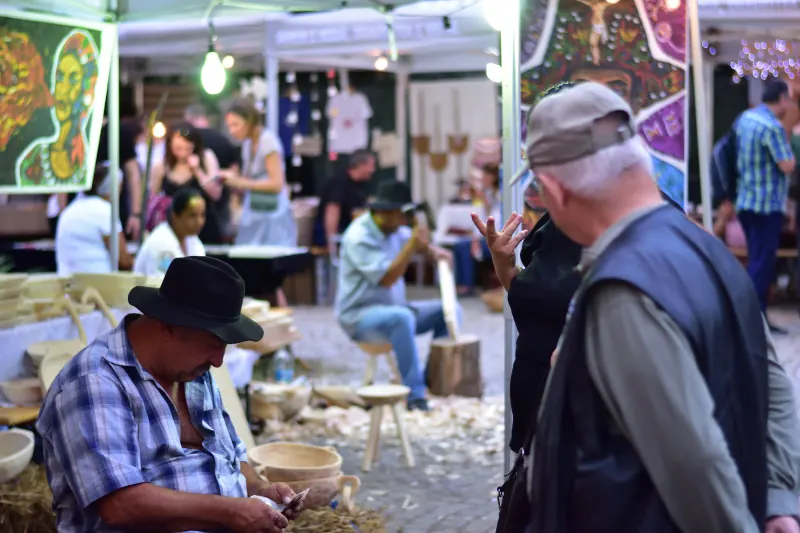
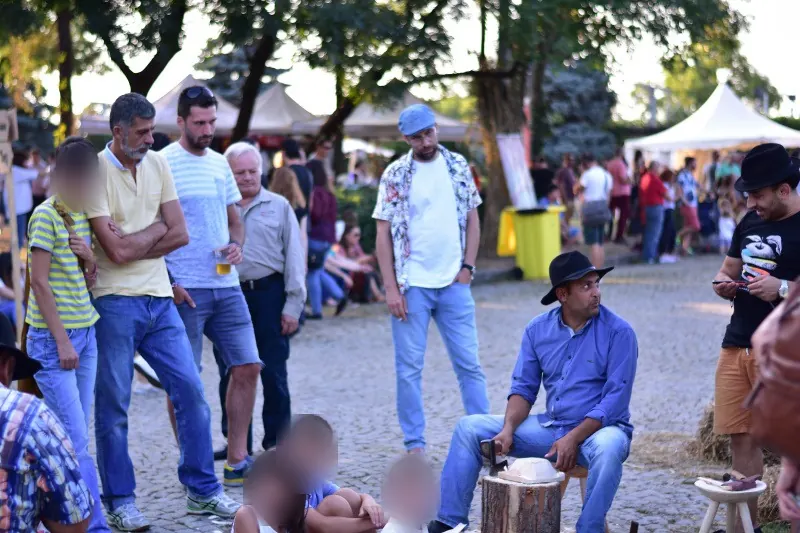
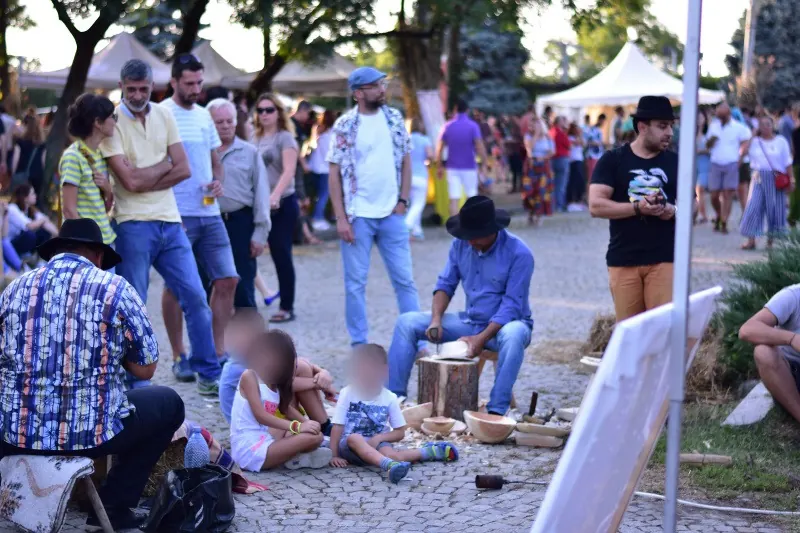
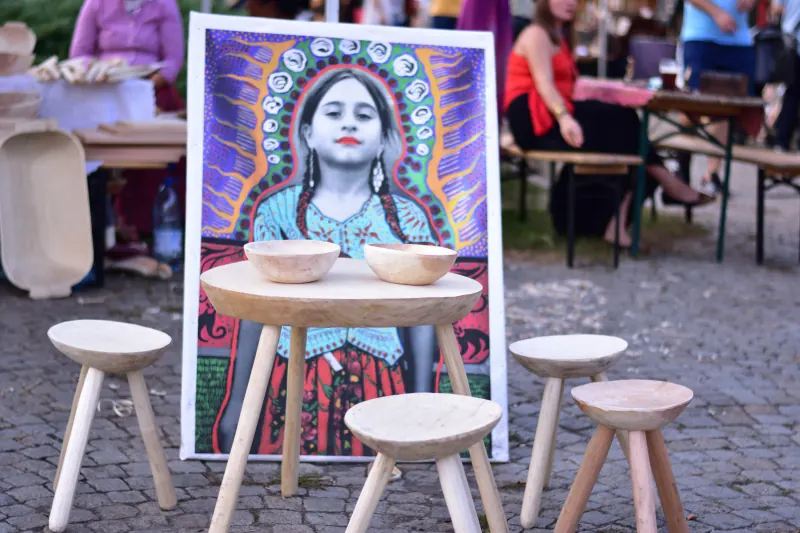
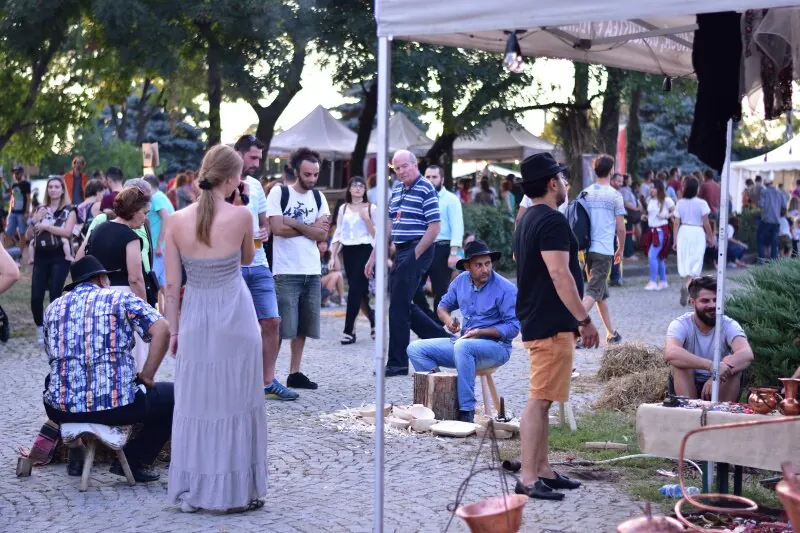
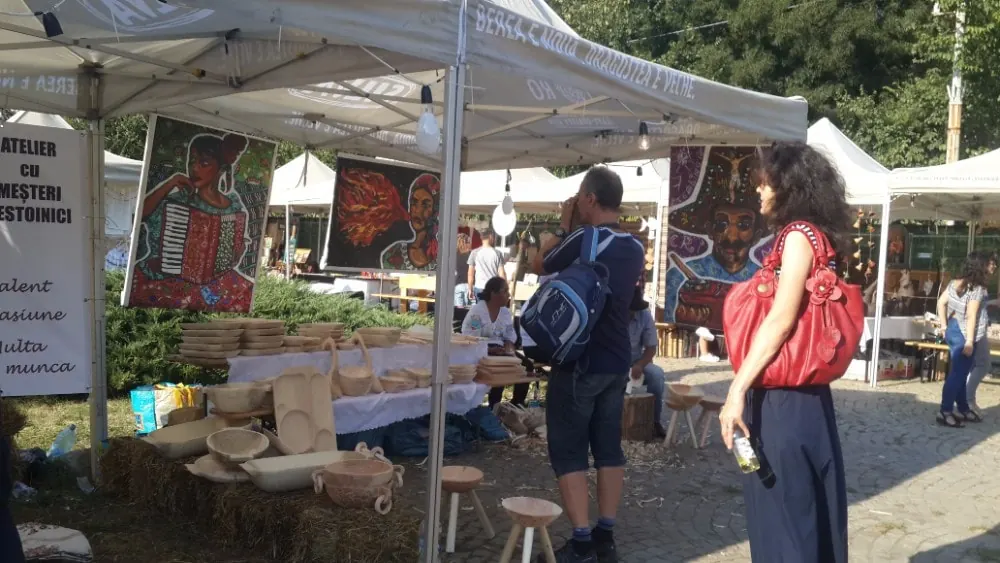
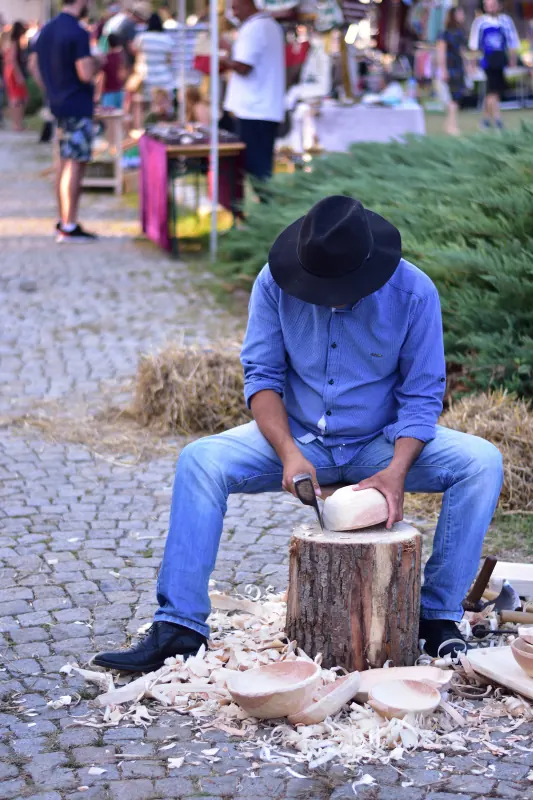
- Spoon makers carved bowls, spoons and small stools out of blocks of wood, surrounded by piles of shavings and circles of curious onlookers.
- Colourful paintings inspired by Roma faces and stories turned the stand into a small open-air art gallery.
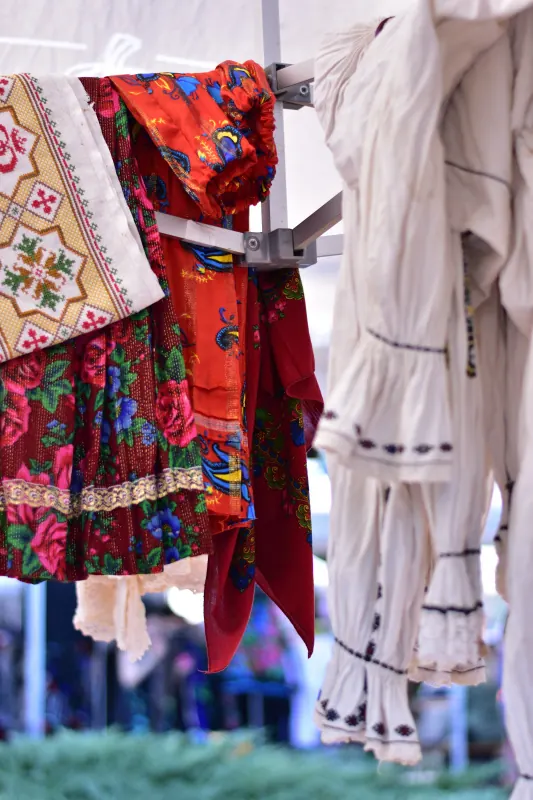
- Traditional costumes, flowered skirts and headscarves completed the picture of a living culture, not a museum piece.
Children, the most attentive audience
Perhaps the loveliest moment of the festival came when children sat down on the cobblestones around the spoon makers and watched in silence as a bowl emerged from a log. Nobody asked what ethnicity the craftsmen were. They simply saw people who can do something extraordinary with their hands.
This is exactly the road against racism we believe in: natural encounters where prejudice has no room because people get the chance to know each other.
Why crafts matter
Many of these trades are learned within the family, from father to son, and take years of practice. Technology and industrial products have pushed them to the margins, and fewer and fewer young people carry them on. By showing them to the public, we give craftsmen the recognition they deserve and remind young Roma that they have every reason to be proud. You can read more about these trades on the Crafts page.
Photo gallery
A selection of photographs from the festival days. Click any of them to see it enlarged.