Roma culture · Music
The lăutari and the music that carried the Roma around the world
Music is perhaps the most powerful way in which the Roma have told their story. Joy and longing, celebration and grief have all found a place in the songs of the lăutari.
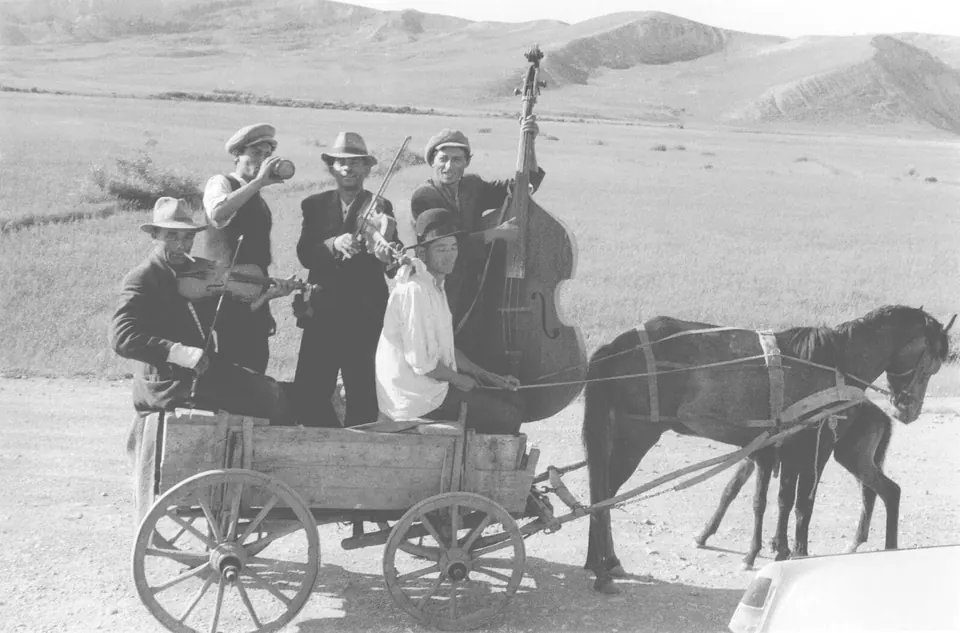
Music as a mark of identity
Over the centuries, many Roma had no access to education. What they did have was a special sensitivity, which shows in their culture and way of life. Their music reflects their life: its joys and troubles, love, the road and the longing for home.
Music is a major tool of cultural identity. There have been, there are and there will always be talented Roma musicians who proudly express the many sides of Roma life through their songs.
The lăutari
The lăutari learned to play without a conservatory and often without sheet music. Their parents taught them not only the notes but how to feel the music. That is how exceptional players grew up on the violin, cimbalom, accordion, clarinet, trumpet and double bass, and their music is appreciated today not only by Roma but on the great stages of the world.
The lăutari played at weddings, christenings, taverns and the courts of the boyars. They picked up melodies from everywhere, mixed them and gave them a colour of their own. A good part of what is now called traditional Romanian music passed through their hands and voices.
Worth listening to
Voices and instruments that made history
A selection of Roma musicians we love. Some are no longer with us, but their recordings remain.
The video loads from YouTube only after you press play. Until then, this page sends no information to YouTube.
-
Toni Iordache
A virtuoso of the cimbalom, considered one of the greatest cimbalom players in history. The speed and precision of his playing are still hard to believe today.
-
Romica Puceanu
One of the best-loved voices of Bucharest lăutar music. Her warm tone and the way she delivered every line turned songs like “Florăresele” into true classics.
-
Gabi Luncă
One of the grand ladies of lăutar music, with a career spanning several decades. Whole generations listened to her songs at home, on the radio and at celebrations.
-
Dona Dumitru Siminică
A Bucharest lăutar with a high, unmistakable voice and a master of the old city songs. His recordings remain a reference for lovers of the genre.
-
Taraf de Haidouks
The band from the village of Clejani, Giurgiu County, who took lăutar music to stages around the world from the 1990s onwards and worked with famous artists and film directors.
-
Fanfare Ciocărlia
The brass band from the village of Zece Prăjini, Iași County, famous worldwide for its dizzying rhythms and the energy with which it fills any concert hall.
-
Ion Onoriu
A lăutar musician from the golden generation of lăutar music, known for his recordings for the Electrecord record label.
More lăutari to discover
-
Fărămiță Lambru
A Bucharest lăutar and one of the emblematic voices of the old city songs.
Search on YouTube -
Mieluță Bibescu
A lăutar of the old generation, part of the tradition that today’s bands carry on.
Search on YouTube -
George Udilă
A lăutar from the same rich tradition, whose recordings are well worth discovering.
Search on YouTube
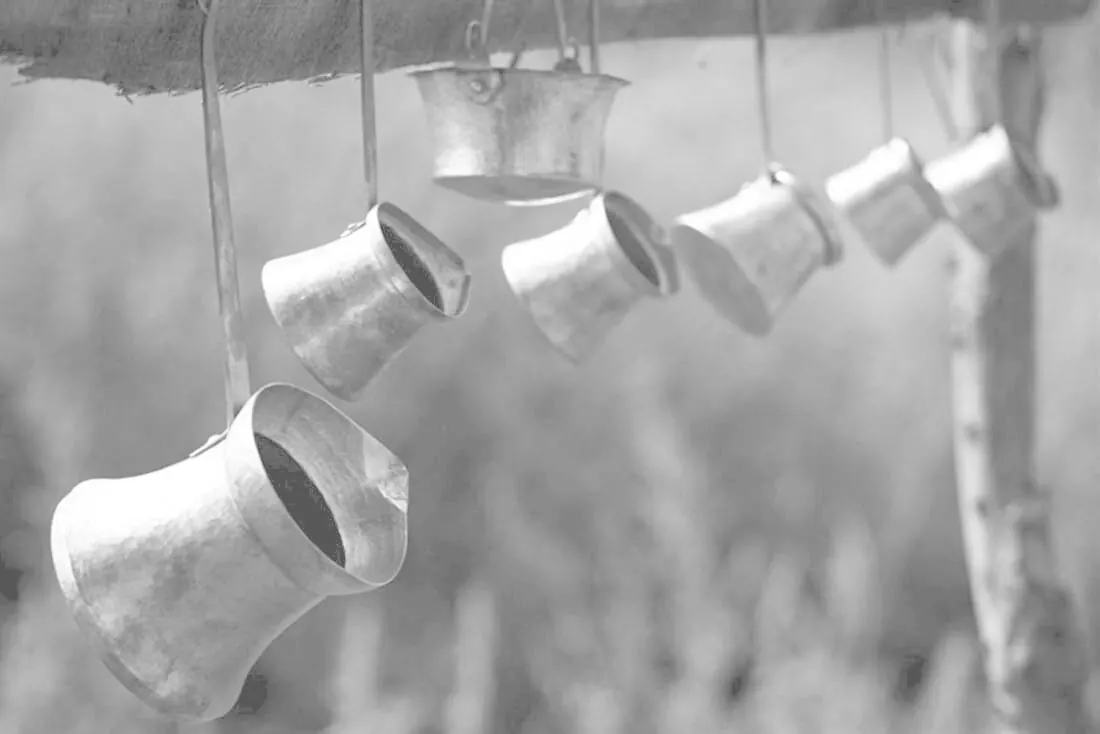
The music goes on
Today, young Roma musicians play in orchestras, jazz bands, brass bands and on festival stages. Some studied at the conservatory, others still learned everything from their parents. All of them carry on a legacy that, in truth, belongs to the whole of Romanian society.
We believe music can be a gateway to education and to dialogue. A child who discovers that they come from a musical tradition that fascinates the entire world has one more reason to be proud of who they are.